
When couples begin their fertility journey, they often have questions about how Intrauterine Insemination (IUI) works and what happens before the procedure. One important step in IUI treatment is sperm preparation, also known as sperm washing. This laboratory process helps separate motile sperm from seminal fluid and other components before the prepared sample is used for insemination.
Sperm processing for IUI plays an important role in preparing a suitable sample for insemination. The process helps select sperm with better movement characteristics and removes unwanted components from the semen sample. For couples exploring IUI treatment in Indirapuram, understanding this laboratory procedure can help them feel more informed and comfortable about their fertility journey.
What Is Sperm Preparation for IUI?
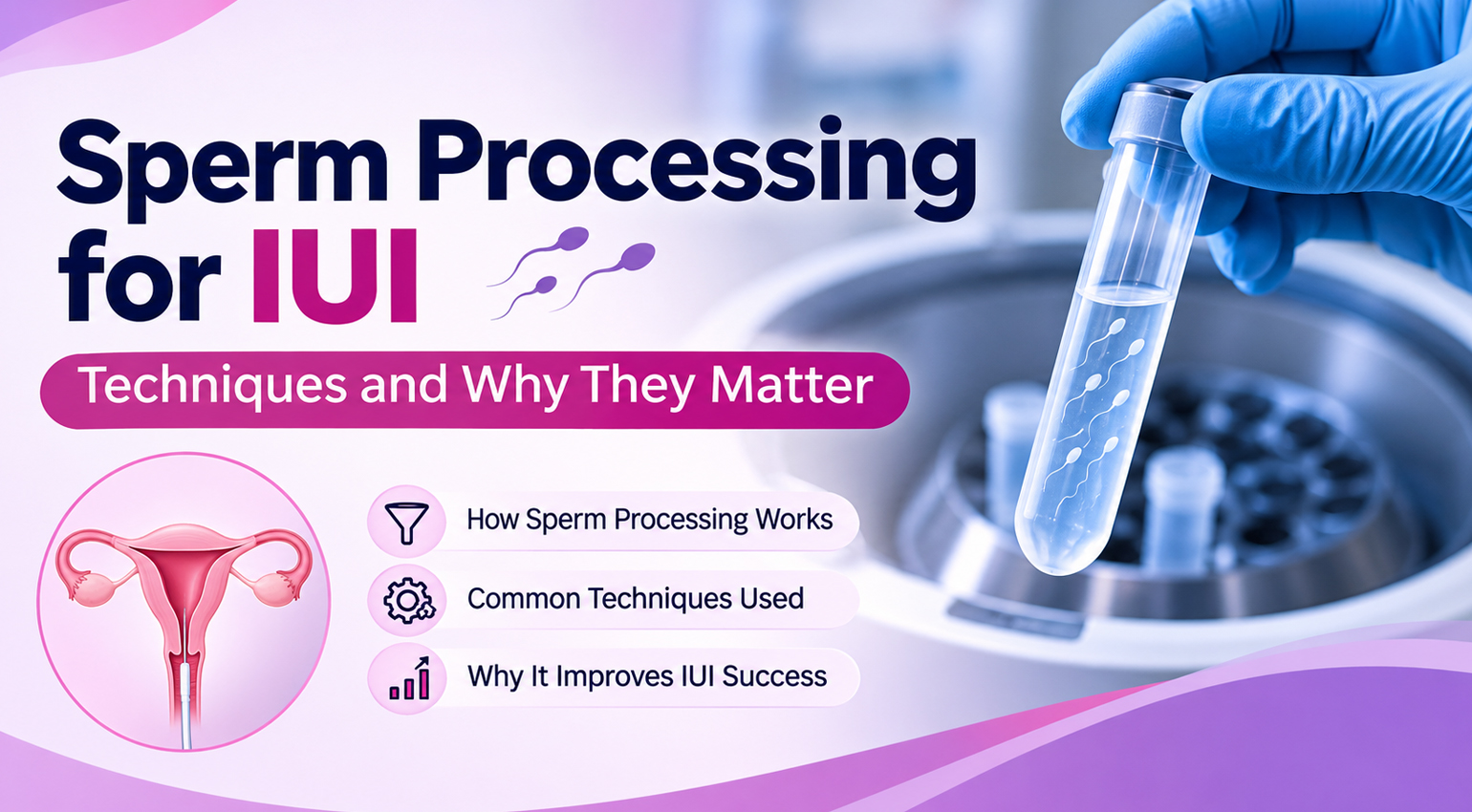
Sperm preparation is a laboratory procedure performed before IUI treatment. During this process, a semen sample is processed to separate motile sperm from seminal fluid, non-motile sperm and other unwanted components.
The aim is to obtain a concentrated sample containing sperm with better movement characteristics for use during insemination.
Unlike natural conception, where sperm travel through the female reproductive tract, IUI involves placing the prepared sperm directly into the uterus using a thin catheter.
For couples visiting a fertility clinic in Indirapuram, understanding sperm preparation can help them learn more about the laboratory procedures involved in IUI treatment.
Why Is Sperm Preparation Important Before IUI?
Sperm preparation is an essential step in standard IUI procedures for several reasons:
⦁ Separates seminal fluid: Removes most of the seminal plasma, which is not intended to be introduced into the uterus during IUI.
⦁ Selects motile sperm: Helps separate sperm with better movement from those that are non-motile or poorly motile.
⦁ Removes unwanted components: Helps remove debris, dead sperm cells and other substances present in the semen sample.
⦁ Concentrates the sperm sample: Produces a prepared sample in a smaller volume suitable for insemination.
⦁ Supports the insemination process: The prepared sample is used by the fertility specialist during the IUI procedure.
It is important to understand that sperm preparation does not guarantee fertilisation or pregnancy. Treatment outcomes depend on several factors, including egg quality, age, reproductive health and sperm characteristics.
Common Sperm Preparation Techniques Used for IUI
Fertility laboratories may use different sperm preparation techniques depending on the semen sample and laboratory protocols. Some commonly used methods include:
1. Swim-Up Technique
The swim-up technique is a method used to select sperm based on their ability to move.
In this process, a layer of suitable culture medium is placed over the semen sample. Motile sperm swim upward into the medium and can then be collected for further preparation.
Importance of the technique:
⦁ Helps select actively moving sperm.
⦁ Separates many non-motile sperm and other components.
⦁ Can produce a sample enriched with motile sperm.
This method is generally more suitable for semen samples with good sperm concentration and motility.
2. Density Gradient Centrifugation
Density gradient centrifugation is another commonly used sperm preparation technique.
During this process, the semen sample is carefully layered over a specially prepared density gradient medium. It is then centrifuged under controlled laboratory conditions.
The process helps separate sperm according to their density and other characteristics. A pellet containing a higher proportion of motile sperm is collected and washed before use.
Importance of the technique:
⦁ Helps separate motile sperm from many unwanted components.
⦁ Can remove debris and some abnormal or non-motile sperm.
⦁ May be useful for samples with varying semen characteristics.
The laboratory team selects the method based on the individual semen sample and its suitability.
3. Simple Wash Technique
The simple wash technique involves mixing the semen sample with a suitable culture medium and processing it through centrifugation.
After processing, the supernatant is removed, and the sperm are resuspended in fresh medium.
Importance of the technique:
⦁ Helps remove most of the seminal fluid.
⦁ Allows the laboratory to collect and concentrate the sperm.
⦁ May be suitable for selected semen samples with favourable characteristics.
The suitability of this method depends on the initial semen analysis and the laboratory's established protocol.
What Happens During Sperm Preparation for IUI?
Although the exact process may vary between fertility laboratories, sperm preparation generally involves the following steps:
Step 1: Semen Sample Collection
The male partner provides a semen sample according to the instructions given by the fertility centre.
Step 2: Initial Sample Evaluation
The laboratory examines the semen sample to assess parameters such as sperm concentration, motility and other relevant characteristics.
Step 3: Selection of Preparation Technique
Based on the sample quality, the embryologist or laboratory professional selects an appropriate sperm preparation method.
Step 4: Laboratory Processing
The sample is processed using the selected technique to separate and concentrate suitable motile sperm.
Step 5: Final Sample Assessment
The prepared sample is evaluated to determine the available sperm concentration and motility before it is used for insemination.
Step 6: IUI Procedure
The prepared sperm sample is placed inside the uterus through a thin catheter by the fertility specialist.
Experienced IUI specialists in Ghaziabad Indirapuram can guide couples through the treatment process and explain the importance of laboratory sperm preparation based on their individual fertility assessment.
Does Sperm Preparation Improve IUI Success Rates?
Sperm preparation helps select and concentrate motile sperm for insemination, but it does not guarantee a successful pregnancy.
The outcome of IUI treatment depends on several factors, including:
⦁ Female partner's age and egg quality.
⦁ Ovarian reserve and ovulation.
⦁ Sperm concentration and motility after preparation.
⦁ Health of the fallopian tubes.
⦁ Timing of insemination.
⦁ Underlying fertility conditions.
A fertility specialist evaluates these factors before recommending IUI and determining whether it is an appropriate treatment option.
Couples looking for the best IUI centre in Abhay Khand should consider factors such as the fertility specialist's experience, laboratory facilities, individualised treatment planning and transparent communication about treatment expectations.
What Happens If Sperm Quality Is Low?
If the semen analysis shows low sperm concentration, reduced motility or other abnormalities, the fertility specialist may recommend further evaluation.
Depending on the findings, treatment options may include:
⦁ Repeating semen analysis when clinically appropriate.
⦁ Evaluating possible underlying causes of male infertility.
⦁ Considering lifestyle modifications where relevant.
⦁ Discussing IUI suitability based on the post-preparation sperm sample.
⦁ Exploring other assisted reproductive techniques, such as IVF or ICSI, if appropriate.
The right approach depends on the complete fertility assessment of both partners. A fertility specialist can explain the available options based on individual clinical findings.
Frequently Asked Questions (FAQs)
1. What is sperm washing in IUI?
Sperm washing is a laboratory process used to separate motile sperm from seminal fluid and other components before the sperm sample is used for IUI.
2. Which sperm preparation method is best for IUI?
There is no single method that is best for every patient. Swim-up, density gradient centrifugation and simple wash techniques may be used depending on the semen sample and laboratory protocol.
3. How long does sperm preparation take?
The time required depends on the preparation technique and laboratory protocol. The fertility centre can provide information about its specific process.
4. Does sperm washing improve sperm quality?
Sperm preparation helps select sperm with better motility characteristics and removes certain unwanted components. However, it does not change the underlying genetic quality of sperm or guarantee fertilisation.
5. Can IUI work with low sperm motility?
IUI may be considered in selected cases depending on the semen analysis and the number of motile sperm available after preparation. A fertility specialist can assess whether IUI is suitable.
6. Is sperm preparation necessary for every IUI cycle?
Sperm preparation is a standard part of conventional IUI treatment. The specific method used may differ depending on the semen sample and the laboratory's protocol.
7. Where can I consult IUI specialists in Indirapuram?
Couples looking for fertility guidance can consult a qualified fertility specialist at FertiCore IVF Centre in Indirapuram, Ghaziabad, for an individual assessment and discussion of suitable treatment options.
Final Thoughts
Sperm preparation is an important laboratory step in IUI treatment. By separating and concentrating motile sperm, the process helps prepare a suitable sample for insemination.
However, fertility treatment is not the same for everyone. The choice of sperm preparation technique and the suitability of IUI depend on individual fertility factors and clinical assessment.
At FertiCore IVF Centre, Indirapuram, Ghaziabad, understanding each couple's fertility needs is an important part of discussing appropriate treatment options. If you are considering IUI or have questions about male fertility, consult a fertility specialist for personalised guidance.
Looking for IUI treatment in Indirapuram? Connect with FertiCore IVF Centre to discuss your fertility concerns and understand the treatment options available to you.
Disclaimer: This article is intended for general educational purposes only and should not be considered medical advice. Sperm preparation methods and treatment recommendations may vary depending on individual clinical findings. Consult a qualified fertility specialist for personalised guidance.
 Sperm Processing for IUI Techniques and Why They Matter
 Essential Precautions and What to Avoid After IUI to Improve Your Chances
 Understanding Why IUI Treatment May Not Be Successful
 Fetal Movements During Pregnancy How to Monitor Your Baby’s Kicks
 IUI vs IVF in Indirapuram, Ghaziabad - Which Fertility Treatment Is Right for You?
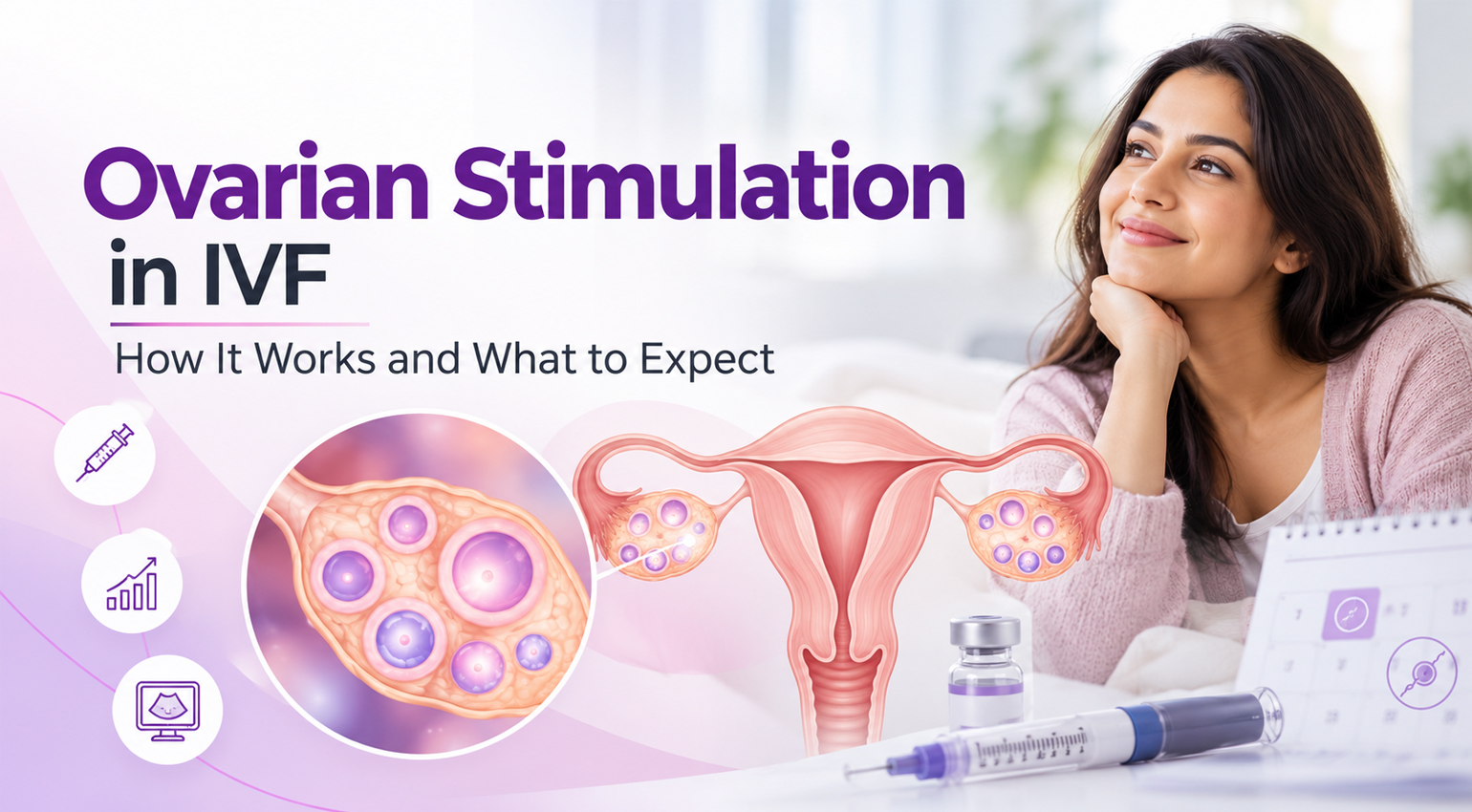 Ovarian Stimulation in IVF – How It Works and What to Expect
 Understanding Your Fertile Window - How to Identify Your Most Fertile Days in Ghaziabad
 IVF Specialist in Ghaziabad - How to Choose the Right Fertility Doctor
 IVF Success Rate in Ghaziabad - What Actually Influences Treatment Outcomes
 FertiCore Fertility & IVF Centre - Personalised Fertility Care in Indirapuram
 From Your First Consultation to IVF Treatment - What Your Fertility Journey at FertiCore May Look Like
 IVF Centre Near Me in Ghaziabad — What to Look For Before You Choose
 Best IVF Center in Vaishali, Indirapuram & Raj Nagar Extension, Ghaziabad – How to Choose the Right Fertility Clinic
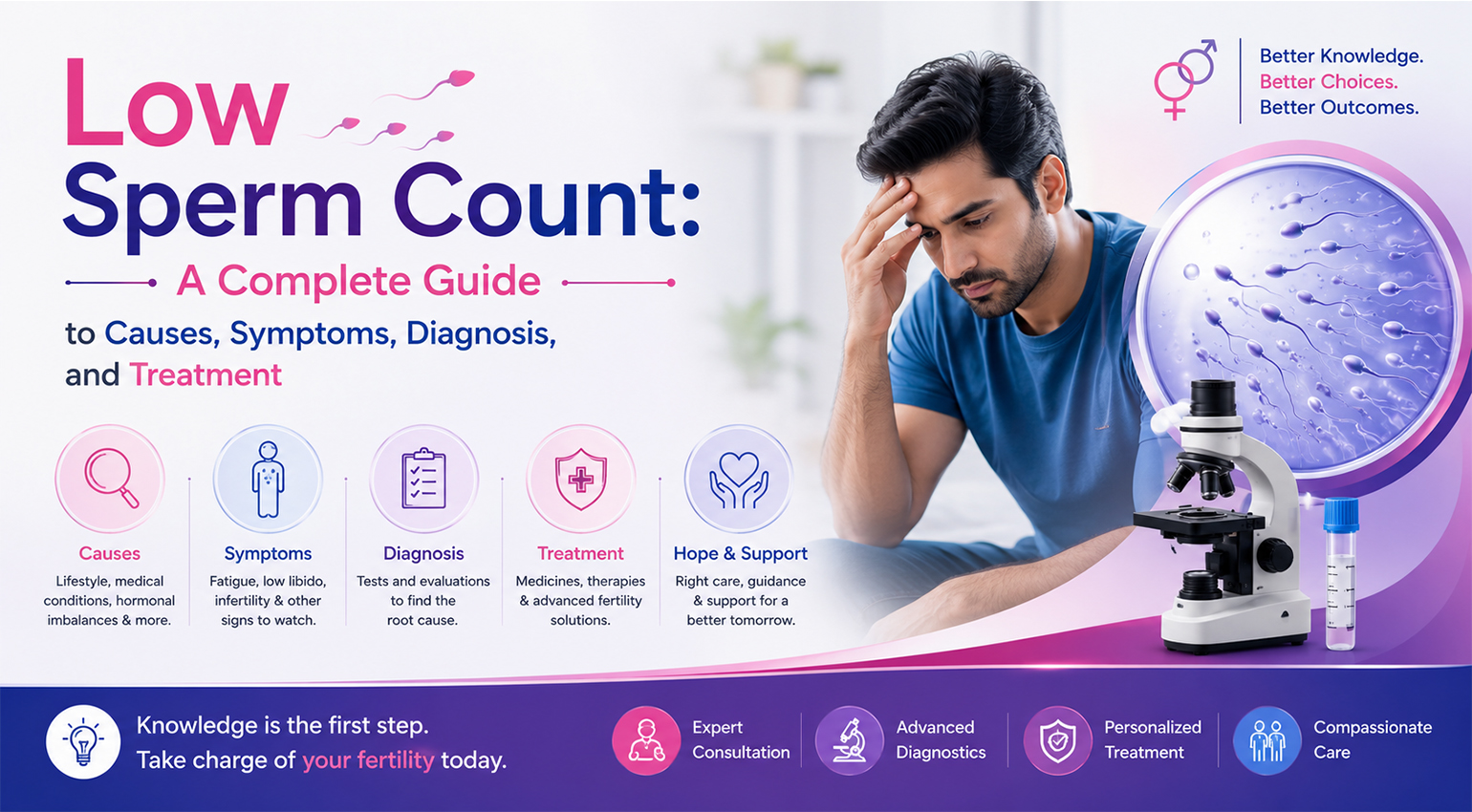 Low Sperm Count: A Complete Guide to Causes, Symptoms, Diagnosis, and Treatment
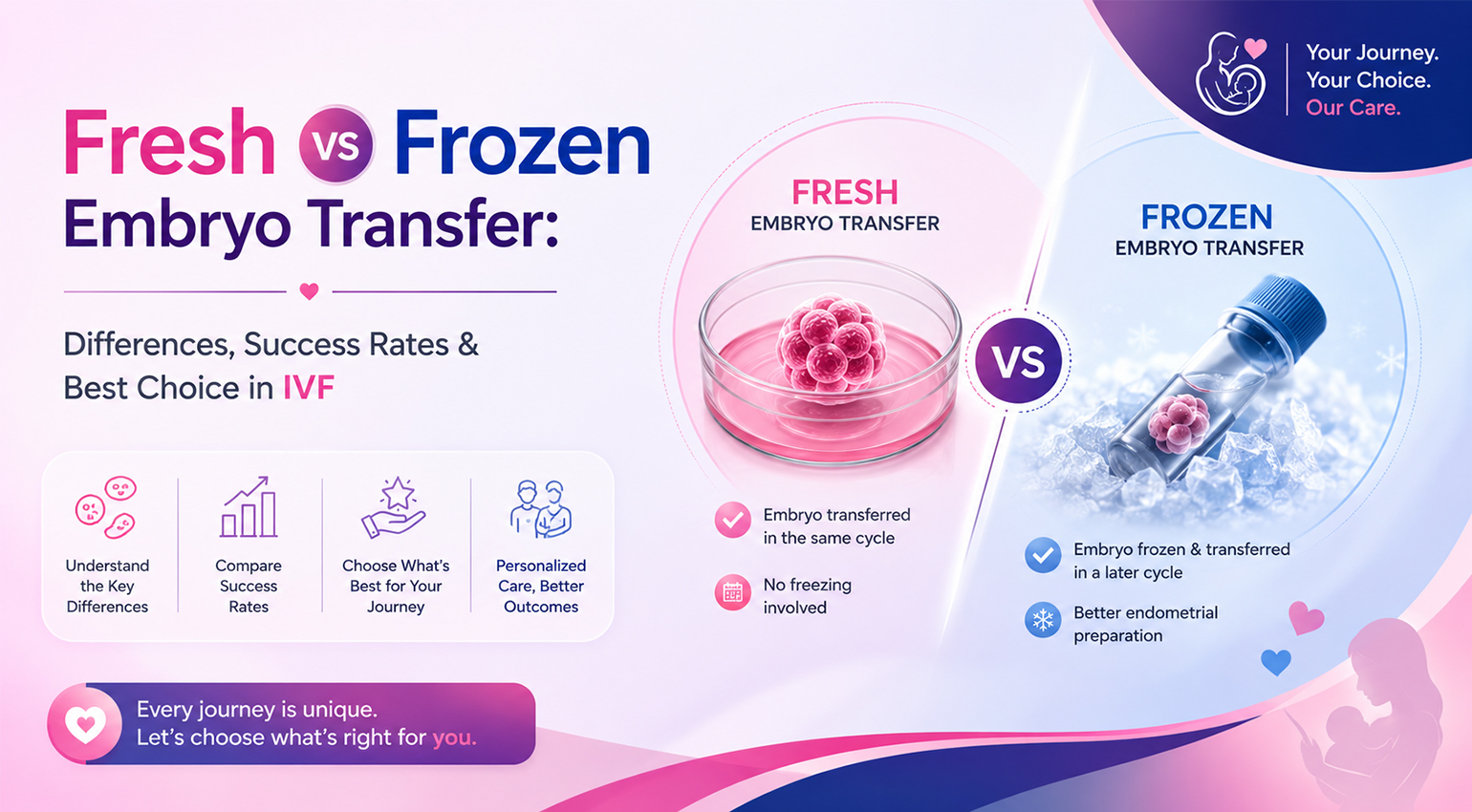 Fresh vs Frozen Embryo Transfer: Differences, Success Rates & Best Choice in IVF
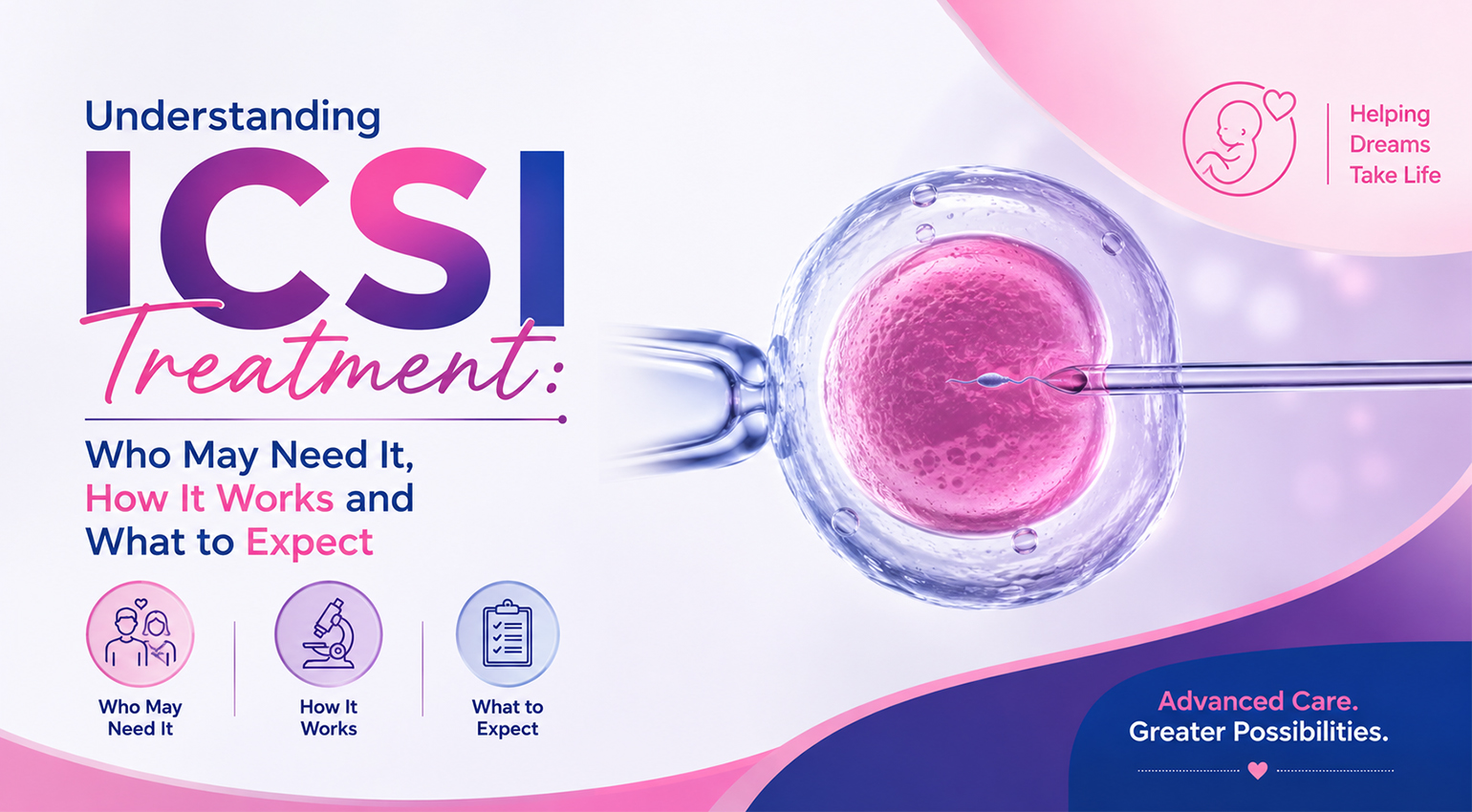 Understanding ICSI Treatment: Who May Need It, How It Works and What to Expect
 Embryo Transfer Aftercare: Everything You Need to Know for a Successful IVF Journey
 IVF After 35: What You Really Need to Know About Success Rates, Expectations and Treatment Options
 Natural Strategies to Enhance Egg Quality for IVF Success - Ferticore IVF Centre
 All You Need to Know About Preserving Female Fertility
 7 Signs That Your Embryo Transfer May Have Been Successful
 Understanding the Connection between Stress and Infertility
 Everything You Need to Know About Evaluation of Male Infertility
 A Comprehensive Overview of Follicular Monitoring Procedure and Success Rates at Ferticore IVF Centre
 10 Key Questions to Ask Your Fertility Specialist About IVF at Ferticore IVF Center
 Unveiling the Path to Success with ICSI Treatment in Indirapuram - Ferticore IVF Centre
 Everything You Need To Know about Laparoscopy Surgery at Ferticore IVF Centre
 Things You Must Know About Intrauterine Insemination (IUI) Treatment- Ferticore IVF centre
 Understanding Fertility: Common Causes and Treatments
 Personalized Care in IVF: Tailoring Treatments for Individual Needs
 Understanding Endometriosis and its Impact on Fertility
 Navigating the IVF Journey: A Step-by-Step Guide
 10 Best Foods That Can Enhance IVF Success and Boost Fertility Naturally
Copyright © 2026 . Designed By Wafi Media Marketing Solutions Pvt. Ld.