

Deciding to visit a fertility centre is a big step. For some couples, it happens after months of trying to conceive. For others, it may follow an earlier diagnosis, a previous treatment, or simply a feeling that it is time to understand what may be affecting their fertility.
The first visit does not mean you have to decide on IVF immediately. In fact, a good fertility consultation is often about understanding your situation first.
At FertiCore Fertility & IVF Centre in Indirapuram, Ghaziabad, the fertility journey can begin with a conversation about your medical history, previous treatments, concerns, and goals. This gives the fertility specialist a starting point for deciding what evaluation or treatment may be appropriate.
If you are still exploring your options, you can also read our guide on IVF Centre Near Me in Ghaziabad and our local guide to Best IVF Centre in Vaishali, Indirapuram & Raj Nagar Extension, Ghaziabad.
A first consultation can feel a little overwhelming, especially when you have many questions in your mind. What is causing the difficulty in conceiving? Do we need IVF? Are there other options? How long could treatment take?
These are normal questions.
During the consultation, the specialist may discuss your fertility history, menstrual or reproductive history, previous pregnancies or treatments, lifestyle factors, and any known medical conditions. For couples who have already undergone treatment elsewhere, previous reports and treatment records can also provide useful context.
The purpose is not to rush into a procedure. It is to build a clearer picture of your individual situation and decide what needs to be evaluated next.
Once your history has been reviewed, the next step may involve fertility investigations. The exact tests depend on the individual and may be different for men and women.
For women, evaluation may include assessment of ovarian reserve, ovulation, the uterus, fallopian tubes, or other reproductive factors when clinically appropriate. For men, semen-related parameters and other aspects of male reproductive health may be evaluated.
Looking at both partners can be important because fertility difficulties can involve female factors, male factors, a combination of factors, or sometimes no clearly identifiable cause.
The aim of the evaluation is to gather useful information so that treatment decisions are based on the patient’s circumstances rather than assumptions.
After the evaluation, your fertility specialist can discuss the options that may be suitable for you.
Not every couple needs IVF. Depending on the findings, age, duration of infertility, previous treatment, and other clinical factors, treatment may range from fertility monitoring or ovulation-related treatment to IUI, IVF, or ICSI.
At FertiCore, patients can discuss different assisted reproductive options, including IVF treatment, IUI treatment, and ICSI treatment depending on their individual requirements.
This stage is important because it gives you an opportunity to understand why a particular treatment has been recommended, what it involves, and whether there are other approaches worth discussing.
If IVF is recommended, the next stage is preparation. IVF is not a single procedure; it is a series of carefully coordinated steps.
The treatment plan may include medication to stimulate the ovaries, monitoring appointments, and preparation for egg retrieval. The exact medication and schedule can vary from patient to patient.
For someone going through IVF for the first time, the number of appointments and medical terms can seem like a lot. Asking the team to explain the schedule, medicines, monitoring, and expected milestones can make the process easier to follow.
Preparation is also a good time to discuss practical questions, including appointment timing, medication instructions, expected costs, and what support may be needed during the cycle.
Monitoring is one of the important parts of an IVF cycle. The medical team follows the response to treatment and assesses development at appropriate stages.
Depending on the treatment plan, monitoring may involve ultrasound examinations and blood tests. The information collected helps the fertility team decide whether medication or timing needs to be adjusted.
Every patient responds differently, so an IVF cycle is not necessarily identical from one person to another. Regular monitoring allows the treatment team to make decisions based on what is happening during that particular cycle.
When the follicles have developed appropriately, egg retrieval may be planned. The collected eggs are then handled in the fertility laboratory, where fertilisation can be attempted using the method considered appropriate for the patient.
In some cases, ICSI may be recommended, where a single sperm is injected into an egg. After fertilisation, embryos are observed as they develop in the laboratory.
The laboratory stage is an important part of assisted reproduction, and patients should feel comfortable asking their fertility team about how their embryos will be monitored and what the next steps will be.
When an embryo transfer is planned, the embryo is placed into the uterus according to the treatment plan. The timing and approach can differ depending on the individual cycle and whether a fresh or frozen embryo transfer is being considered. For practical guidance after transfer, see our guide on Embryo Transfer Aftercare.
After transfer, patients are generally given instructions about medication, follow-up, and when to take the pregnancy test. The waiting period can be emotionally difficult for many couples, so having clear instructions and knowing when to contact the clinic can be reassuring.
It is easy to think of IVF as a sequence of medical appointments, but the experience is also personal.
There may be days when you feel hopeful and days when you feel anxious. You may have questions about every scan, medication, or result. That is why communication matters throughout the process.
At FertiCore, the aim is to help patients understand their treatment rather than simply move from one step to another. Clear explanations can help couples feel more involved in decisions about their care and better prepared for what comes next.
No two fertility journeys are exactly alike. Age, diagnosis, reproductive history, previous treatment, ovarian response, sperm parameters, and other factors can influence the approach.
For this reason, a treatment plan that worked for one person may not be the right plan for someone else.
A personalised approach means considering the individual circumstances before deciding on the next step. It also means reviewing how a patient responds during treatment and making appropriate clinical decisions along the way.
If you are considering fertility treatment in Ghaziabad, you do not need to have every answer before your first appointment.
A consultation can simply be the beginning of understanding your fertility, discussing your concerns, and learning about the options available to you.
FertiCore Fertility & IVF Centre in Indirapuram provides fertility evaluation and assisted reproductive care, including IVF, IUI, ICSI, and other fertility services based on individual clinical requirements.
If you are thinking about starting treatment, the first step can be as simple as having an open conversation with a qualified fertility specialist.
Every fertility journey is different, and there is no single treatment path that is right for everyone. Starting with a consultation and appropriate fertility evaluation can help you understand your options and make informed decisions about the next step. Whether you are exploring fertility treatment, IUI, IVF, or ICSI, a personalised plan and clear communication with your fertility team can make the journey easier to understand. If you are considering IVF treatment in Ghaziabad, a conversation with a qualified fertility specialist can help you understand what may be appropriate for your individual circumstances.
Q: Do I need IVF if I am having difficulty conceiving?
A: Not necessarily. The appropriate treatment depends on the cause of infertility, age, medical history, previous treatment, and other individual factors. A fertility specialist can help determine the appropriate next step.
Q: Are both partners evaluated during a fertility assessment?
A: Depending on the situation, both partners may be evaluated because fertility difficulties can involve male factors, female factors, or both.
Q: How long does an IVF cycle take?
A: The timeline varies depending on the treatment protocol and individual response. Your fertility specialist can explain the expected schedule for your specific cycle.
Q: What happens after embryo transfer?
A: Patients generally receive instructions regarding medication, follow-up, and pregnancy testing. Your clinic will tell you when testing should be performed and what symptoms or concerns should be reported.
Q: Where is FertiCore Fertility & IVF Centre located?
A: FertiCore Fertility & IVF Centre is located at 70A, Abhay Khand 1, Krishna Colony, Abhay Khand, Indirapuram, Ghaziabad, Uttar Pradesh 201014.
 Fetal Movements During Pregnancy How to Monitor Your Baby’s Kicks
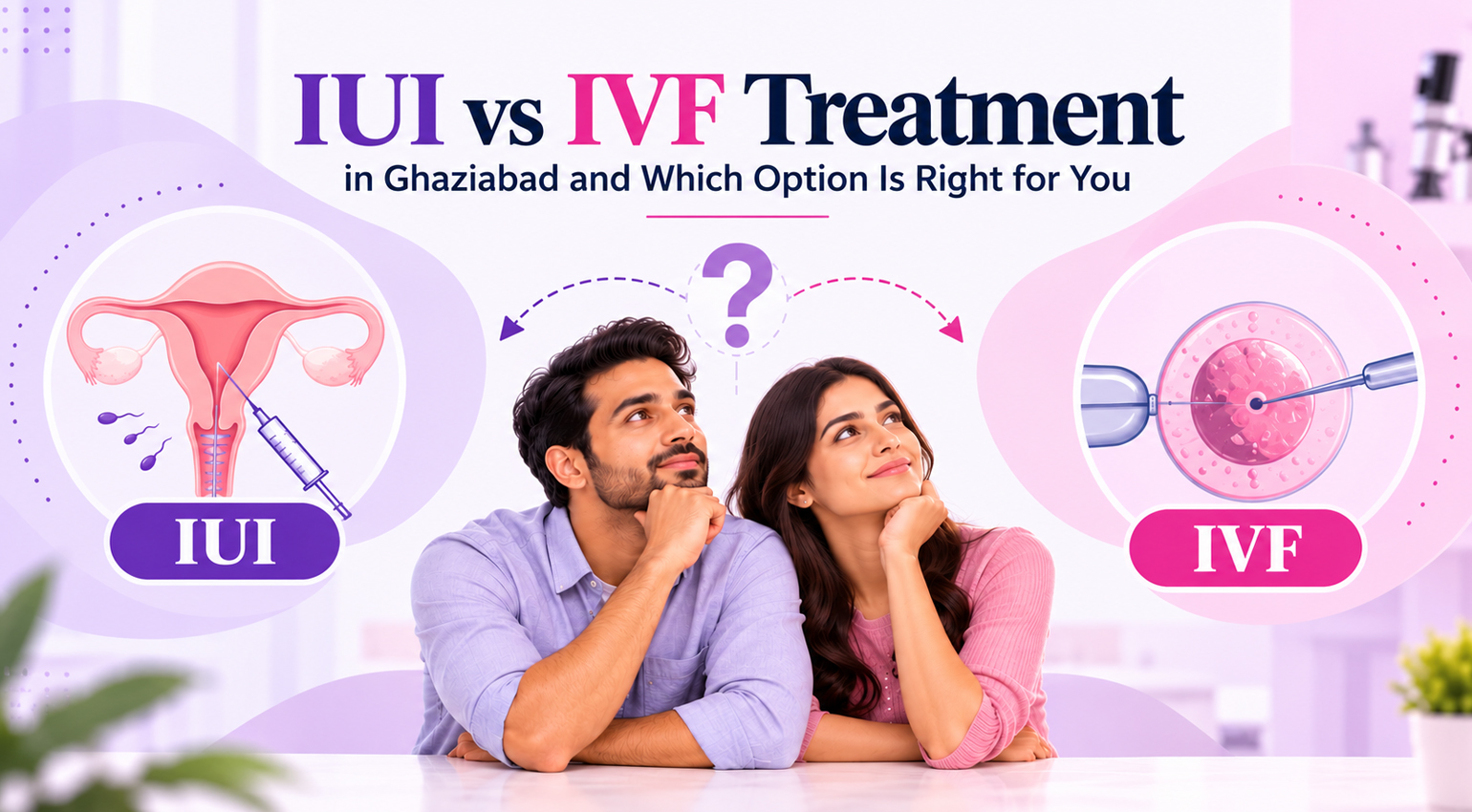 IUI vs IVF in Indirapuram, Ghaziabad - Which Fertility Treatment Is Right for You?
 Ovarian Stimulation in IVF – How It Works and What to Expect
 Understanding Your Fertile Window - How to Identify Your Most Fertile Days in Ghaziabad
 IVF Specialist in Ghaziabad - How to Choose the Right Fertility Doctor
 IVF Success Rate in Ghaziabad - What Actually Influences Treatment Outcomes
 FertiCore Fertility & IVF Centre - Personalised Fertility Care in Indirapuram
From Your First Consultation to IVF Treatment - What Your Fertility Journey at FertiCore May Look Like
FertiCore Fertility & IVF Centre - Personalised Fertility Care in Indirapuram
From Your First Consultation to IVF Treatment - What Your Fertility Journey at FertiCore May Look Like
 IVF Centre Near Me in Ghaziabad — What to Look For Before You Choose
 Best IVF Center in Vaishali, Indirapuram & Raj Nagar Extension, Ghaziabad – How to Choose the Right Fertility Clinic
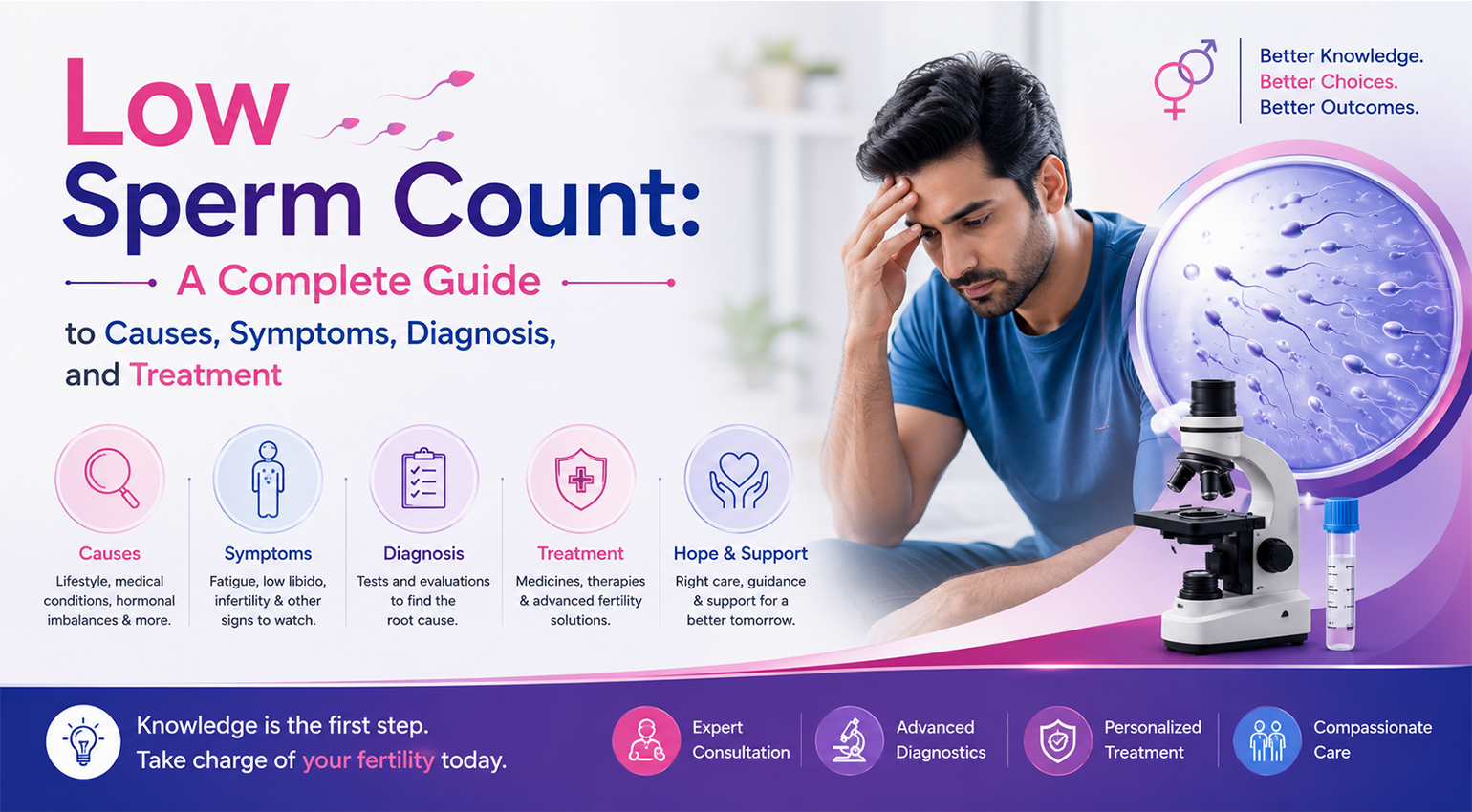 Low Sperm Count: A Complete Guide to Causes, Symptoms, Diagnosis, and Treatment
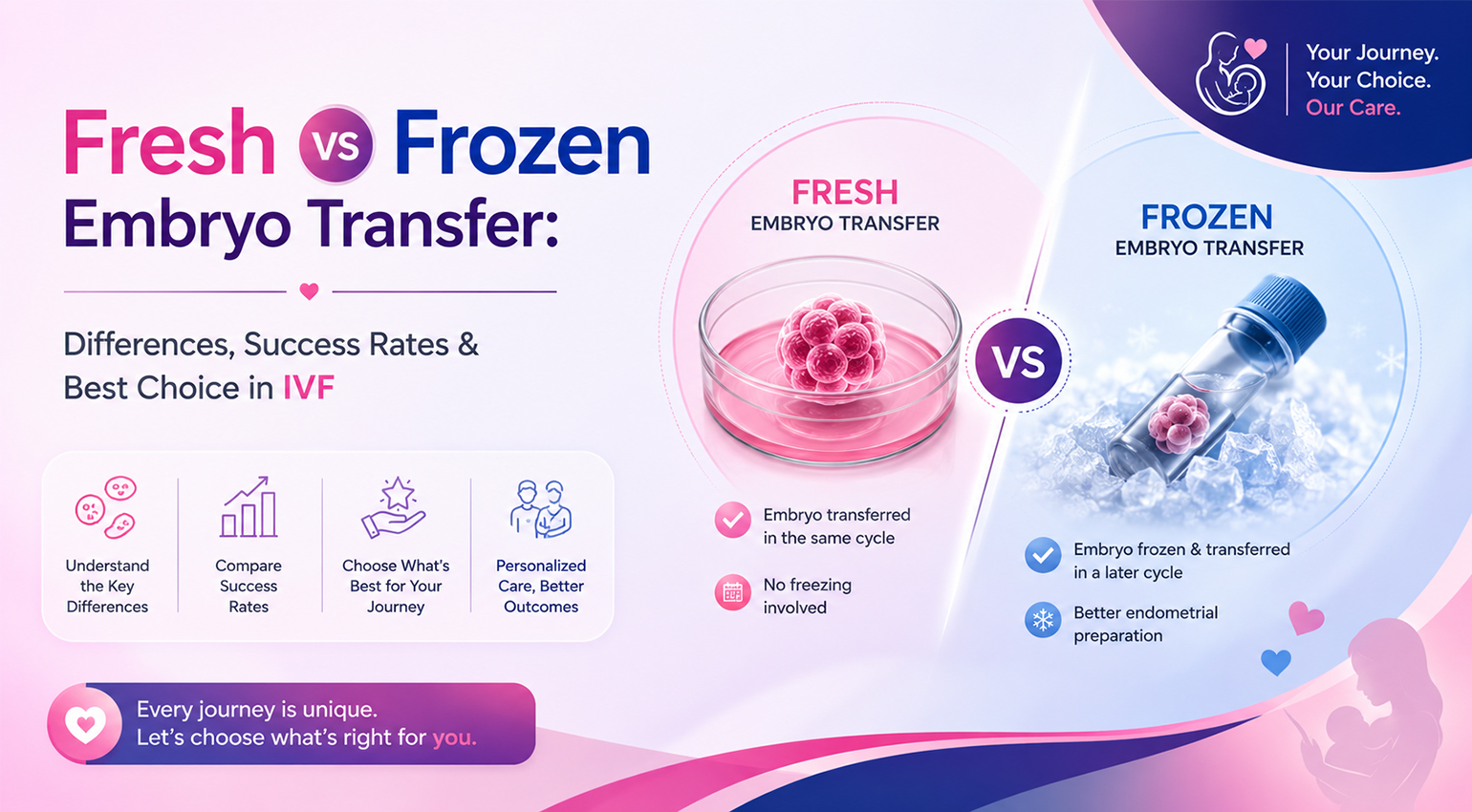 Fresh vs Frozen Embryo Transfer: Differences, Success Rates & Best Choice in IVF
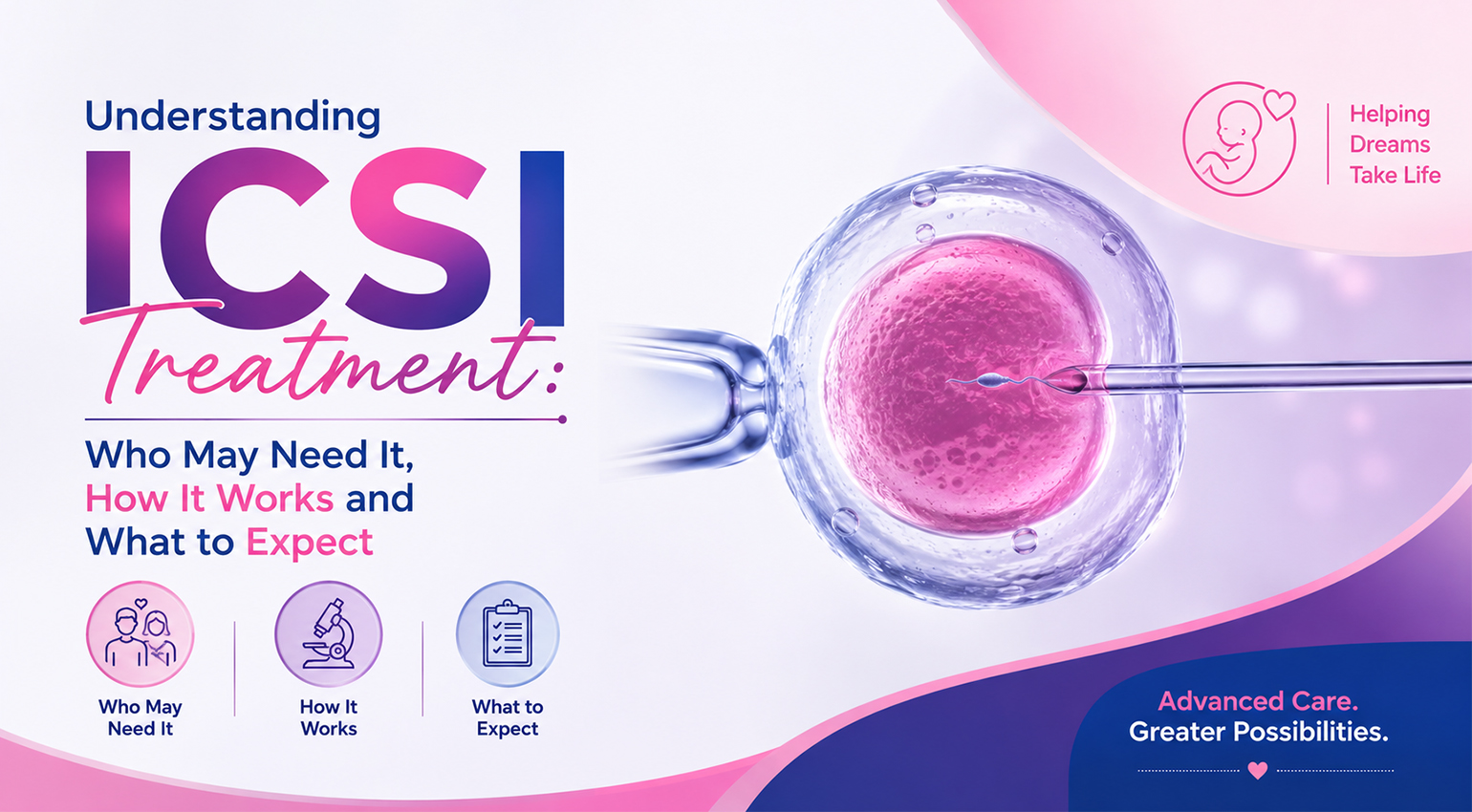 Understanding ICSI Treatment: Who May Need It, How It Works and What to Expect
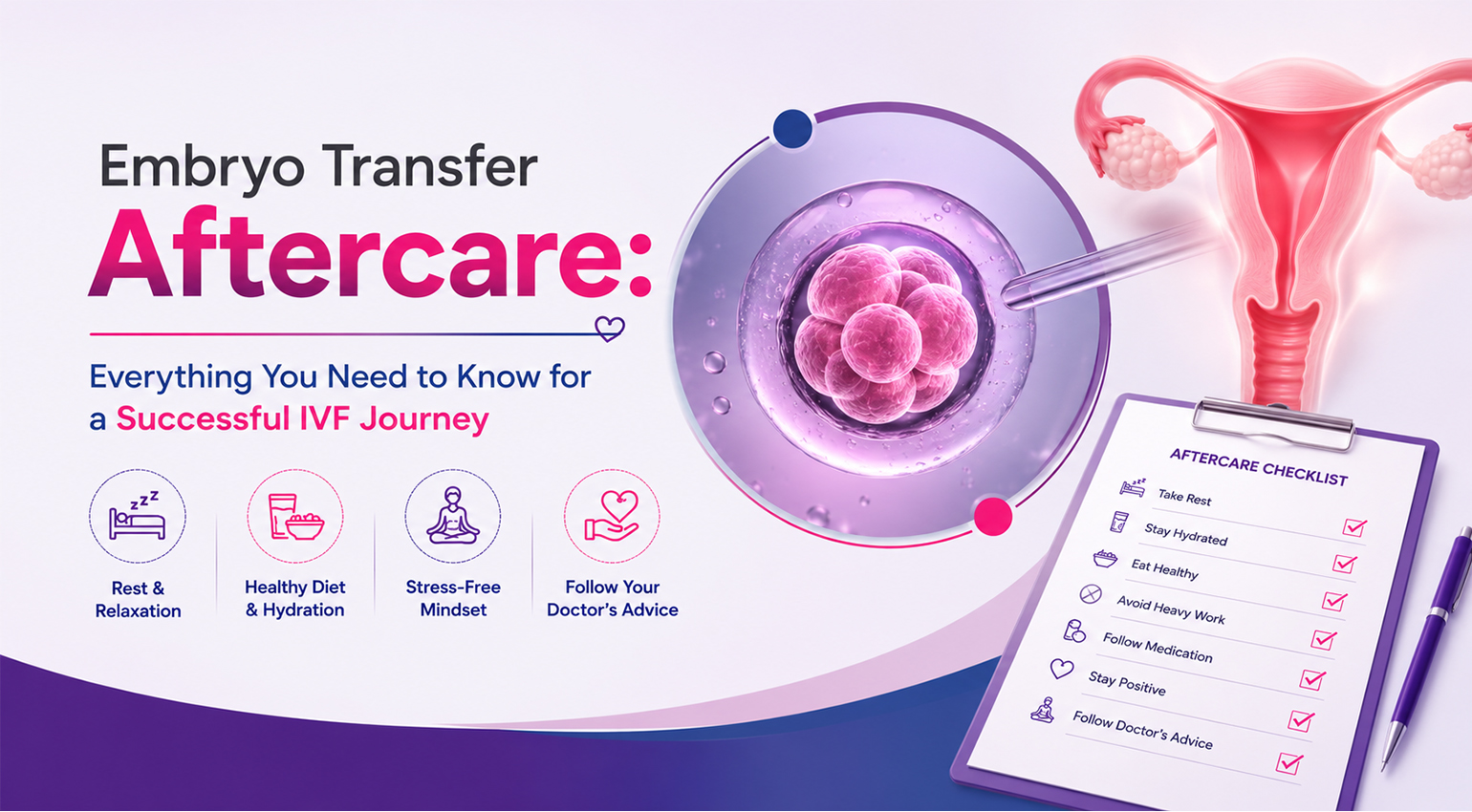 Embryo Transfer Aftercare: Everything You Need to Know for a Successful IVF Journey
 IVF After 35: What You Really Need to Know About Success Rates, Expectations and Treatment Options
 Natural Strategies to Enhance Egg Quality for IVF Success - Ferticore IVF Centre
 All You Need to Know About Preserving Female Fertility
 7 Signs That Your Embryo Transfer May Have Been Successful
 Understanding the Connection between Stress and Infertility
 Everything You Need to Know About Evaluation of Male Infertility
 A Comprehensive Overview of Follicular Monitoring Procedure and Success Rates at Ferticore IVF Centre
 10 Key Questions to Ask Your Fertility Specialist About IVF at Ferticore IVF Center
 Unveiling the Path to Success with ICSI Treatment in Indirapuram - Ferticore IVF Centre
 Everything You Need To Know about Laparoscopy Surgery at Ferticore IVF Centre
 Things You Must Know About Intrauterine Insemination (IUI) Treatment- Ferticore IVF centre
 Understanding Fertility: Common Causes and Treatments
 Personalized Care in IVF: Tailoring Treatments for Individual Needs
 Understanding Endometriosis and its Impact on Fertility
 Navigating the IVF Journey: A Step-by-Step Guide
 10 Best Foods That Can Enhance IVF Success and Boost Fertility Naturally
Copyright © 2026 . Designed By Wafi Media Marketing Solutions Pvt. Ld.