

If you're trying to conceive, you've probably already looked up when you're “most fertile” more than once. Between period-tracking apps, ovulation calculators, and well-meaning advice from friends, it's easy to end up more confused than when you started. Understanding your fertile window properly — not just the day 14 rule everyone quotes — can make this whole process feel a lot less like guesswork.
The fertile window is the stretch of your cycle when pregnancy is actually possible, mainly around the time ovulation happens. It's wider than just the day you ovulate, because sperm can survive in the reproductive tract for a few days, while the egg itself is only fertilisable for a short window after release. So fertility isn't really a single day — it's a range.
Let's go through what the fertile window actually means, and how you can get a realistic sense of your own most fertile days.
The fertile window is the period around ovulation during which unprotected intercourse could result in pregnancy.
Ovulation is when the ovary releases a mature egg. Here's where a lot of confusion starts: ovulation typically happens somewhere between 10 and 16 days before your next period — not necessarily on day 14 of your cycle, as commonly assumed. That “day 14” figure only holds up for a textbook-perfect 28-day cycle, and even then it's an average, not a rule. For anyone with shorter or longer cycles, counting from day 1 and expecting ovulation exactly two weeks later can throw the estimate off by several days.
The window exists because sperm can survive for several days inside the reproductive tract, while the egg itself only remains viable for roughly 12 to 24 hours after ovulation. That gap is what gives you more than a single day of opportunity each cycle.
Fertility peaks in the day or two just before ovulation and around the time it occurs — this is generally considered the highest-probability window.
Take someone with a fairly regular 28-day cycle as an example: ovulation would likely fall somewhere around the middle of the cycle. But that's still an estimate, not a fixed appointment. Ovulation can shift earlier or later depending on stress, illness, travel, and plenty of other everyday factors specific to that person's body.
Rather than leaning entirely on a calendar, it usually helps to pair date-tracking with other physical signs of ovulation — which we'll get into next.
Cycle tracking gives you a reasonable estimate of when ovulation is likely, even if it can't pinpoint it exactly.
Day 1 of your cycle is counted from the first day of full menstrual bleeding. If your cycles tend to fall in a consistent range, tracking several months can help you spot a pattern worth working from.
That said, cycle length isn't always identical month to month, even for people who consider their periods “regular.” A calendar-based estimate should be treated as a starting point rather than a guarantee of the exact day. And if your periods are irregular, date-based calculation on its own becomes considerably less reliable — which is where physical signs and, in some cases, clinical monitoring become more useful.
Your body tends to give off a few signals as ovulation gets closer, and cervical mucus changes are usually the most noticeable one.
As ovulation approaches, vaginal discharge often becomes clearer, thinner, and stretchier — commonly described as resembling raw egg white. This texture shift happens because rising estrogen changes cervical mucus consistency in a way that makes it easier for sperm to travel through.
A few other fertility-awareness methods people combine with mucus tracking:
• Menstrual cycle date tracking
• Basal body temperature charting
• Ovulation predictor kits (urine-based LH tests)
Using two or three of these together tends to give a clearer picture than relying on just one. Even so, it's worth being realistic — no single method or combination can predict ovulation with certainty for every person, every cycle.
Yes — and this catches a lot of people off guard.
If your estimated fertile window turns out to be off, which happens more often than people expect, pregnancy is still possible outside the dates you calculated. For instance, if ovulation happens earlier than anticipated, intercourse shortly after your period ends can still lead to conception. This is exactly why treating “day 14” as a universal rule doesn't hold up for a lot of women, particularly those with cycles that run shorter or longer than average, or cycles that shift from month to month.
Not always, and this surprises a lot of people.
It's possible to have fairly regular menstrual bleeding while still having ovulation-related issues underneath it. If your cycles are irregular, unusually long or short, or you have other reproductive health concerns, it's worth bringing these up with a fertility specialist rather than assuming regular bleeding automatically means regular ovulation. Fertility difficulties can stem from female factors, male factors, both partners together, or a combination that isn't always obvious from cycle patterns alone.
Tracking your fertile days is genuinely useful when you're trying to conceive, but it isn't a substitute for medical evaluation if something else might be going on.
It's worth speaking with a fertility specialist if:
• Your periods are consistently irregular
• You're unsure whether you're ovulating at all
• You've been trying to conceive without success for a while
• You have a known reproductive health condition
• You or your partner have previously been told there may be a fertility concern
If pregnancy hasn't happened after a reasonable period of trying, a professional evaluation can help identify what might be contributing. NHS guidance, for example, generally recommends seeking medical advice after a year of trying for people under 40, with earlier assessment appropriate in specific circumstances — so there's no need to wait indefinitely if something already feels off.
When cycle tracking on your own isn't giving clear answers, a fertility specialist has more precise tools available.
Follicular tracking is one of the more common ones — it uses ultrasound monitoring across the cycle to observe follicle development directly and get a clearer sense of when ovulation is approaching, rather than relying on estimates. This is particularly useful when planning fertility treatment or when closer monitoring of ovulation timing is needed for medical reasons.
For couples exploring fertility treatment, understanding cycle timing and ovulation is often a core part of personalised fertility care, since treatment plans are usually built around what's actually happening in that individual's cycle rather than general averages.
The idea of timing around ovulation matters beyond natural conception too — it's central to treatments like IUI.
During an IUI cycle, the fertility team monitors follicular development directly and uses that information to time the procedure appropriately. That's a meaningfully different approach from estimating ovulation off a calendar, since the clinical team is watching what's actually happening in that specific cycle rather than working from an average.
If you're in Indirapuram, Abhay Khand, or elsewhere in Ghaziabad and trying to get a clearer picture of your cycle, the first step doesn't have to be a full treatment plan — a straightforward fertility evaluation is often enough to start with. This usually involves a conversation about your cycle history, possibly some basic hormone testing, and a discussion of whether ovulation tracking or follicular tracking would give you more useful information than app-based calendar tracking alone.
For couples juggling this alongside work and daily routines, having evaluation, monitoring, and — if needed — treatment available at a single fertility clinic in Ghaziabad can cut down on the back-and-forth that comes with separate appointments across different locations.
You don't need to have exhausted every tracking app or waited a specific number of months before booking a consultation — if something about your cycle feels unclear or concerning, that's reason enough to ask.
A fertility specialist will typically start by understanding your cycle history, any symptoms you've noticed, and how long you've been trying to conceive, before recommending next steps. Sometimes that's as simple as a short period of guided tracking; other times, it involves closer monitoring like follicular tracking to get accurate, cycle-specific information rather than relying on estimates.
For many couples in Indirapuram, Abhay Khand, and the wider Ghaziabad area, having fertility evaluation, ovulation monitoring, and treatment options like IUI available at one centre makes an already uncertain process a bit more manageable.
FertiCore Fertility & IVF Centre, based in Abhay Khand, Indirapuram, Ghaziabad, offers fertility evaluation and follicular tracking as part of its approach to understanding individual cycles, alongside treatments such as IUI when appropriate. As always, what's right for you depends on your specific situation — a direct conversation with a specialist is the best way to figure out next steps rather than assuming a generic timeline applies.
What is the fertile window?
The fertile window is the period around ovulation when pregnancy is possible. It extends beyond the exact day of ovulation because sperm can survive for several days inside the reproductive tract.
How do I know when my fertile days are?
You can estimate them by tracking your menstrual cycle and watching for fertility signs like changes in cervical mucus. Ovulation predictor kits and basal body temperature tracking can add more information, though none of these methods are exact.
Is day 14 always the most fertile day?
No. Day 14 is only a rough reference point for a typical 28-day cycle. Actual ovulation timing depends on your individual cycle length and can vary from month to month.
Can I get pregnant just after my period?
It's possible, especially if you ovulate earlier than expected or have a naturally shorter cycle. Since sperm can survive for several days, intercourse before ovulation can still lead to pregnancy.
What if my periods are irregular?
Calendar-based fertile window calculations become less reliable with irregular cycles. If you're concerned about ovulation or have been trying to conceive for a while, speaking with a fertility specialist is a reasonable next step.
Can follicular tracking help identify ovulation?
Yes. Follicular tracking uses ultrasound monitoring to observe follicle development directly, which can give the fertility team a clearer, more individual picture of when ovulation is approaching than calendar estimates alone.
Final Thoughts
Getting familiar with your fertile window can make the whole process of trying to conceive feel less like guesswork and more like something you understand and have some control over. That said, it's worth holding these calculations loosely — cycle length varies, ovulation doesn't land on the same day every month for most people, and conception depends on more than just timing.
If you've been trying to conceive and aren't sure about your ovulation pattern or fertile days, a proper fertility evaluation can offer more clarity than another tracking app. At FertiCore Fertility & IVF Centre in Indirapuram, fertility assessment and any follow-up care are planned around your individual cycle rather than a generic average.
Understanding Your Fertile Window - How to Identify Your Most Fertile Days in Ghaziabad
 IVF Specialist in Ghaziabad - How to Choose the Right Fertility Doctor
 IVF Success Rate in Ghaziabad - What Actually Influences Treatment Outcomes
 FertiCore Fertility & IVF Centre - Personalised Fertility Care in Indirapuram
 From Your First Consultation to IVF Treatment - What Your Fertility Journey at FertiCore May Look Like
 IVF Centre Near Me in Ghaziabad — What to Look For Before You Choose
 Best IVF Center in Vaishali, Indirapuram & Raj Nagar Extension, Ghaziabad – How to Choose the Right Fertility Clinic
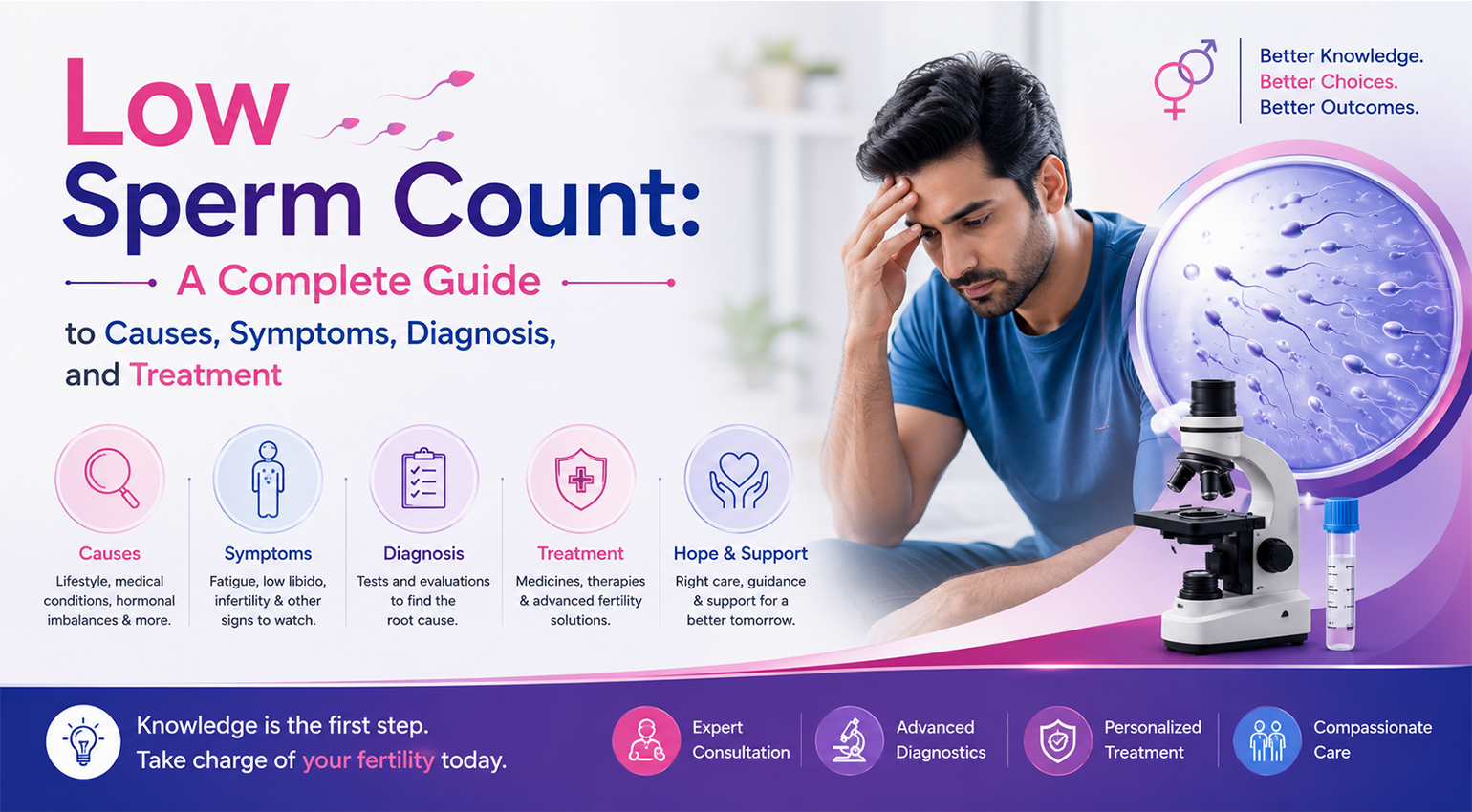 Low Sperm Count: A Complete Guide to Causes, Symptoms, Diagnosis, and Treatment
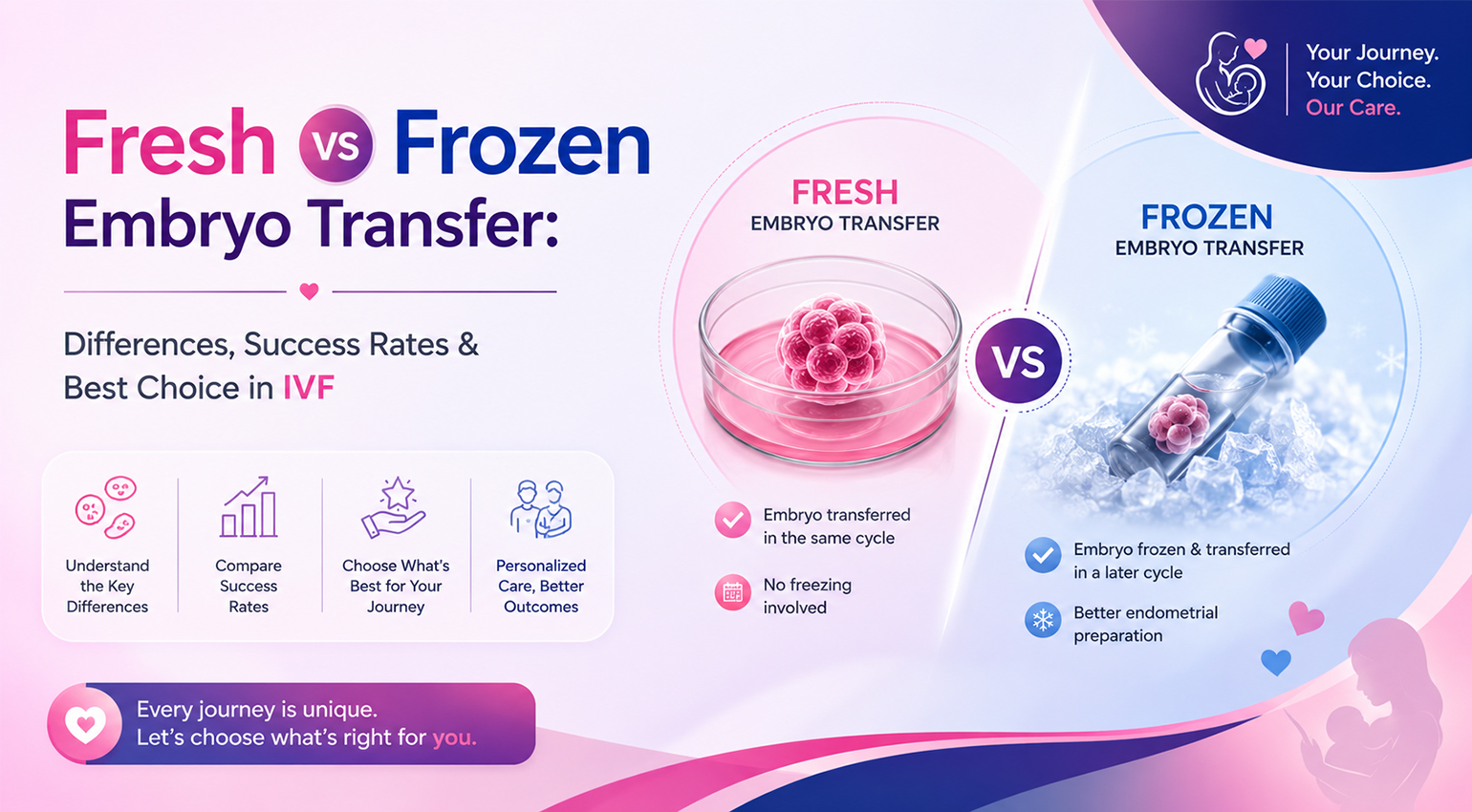 Fresh vs Frozen Embryo Transfer: Differences, Success Rates & Best Choice in IVF
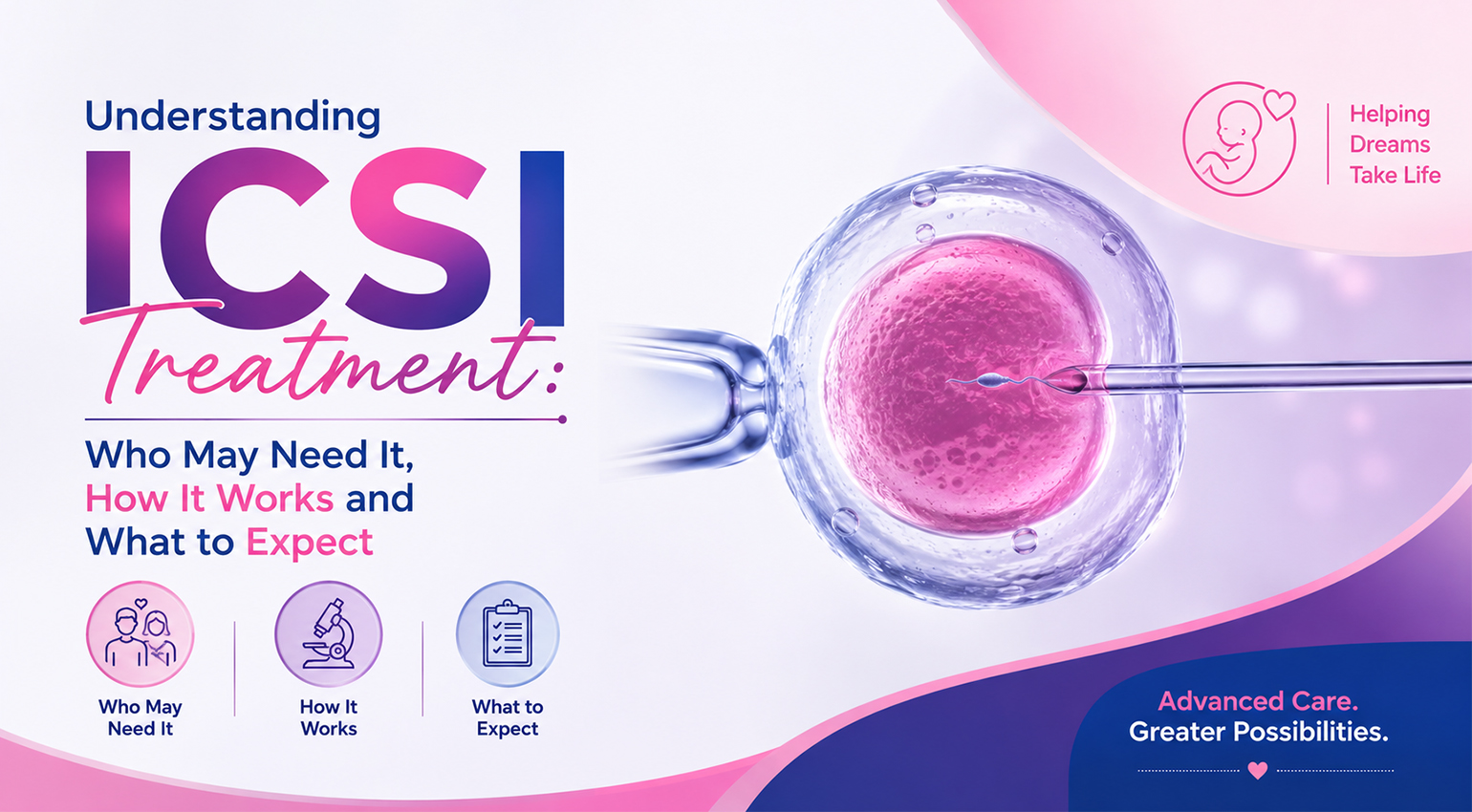 Understanding ICSI Treatment: Who May Need It, How It Works and What to Expect
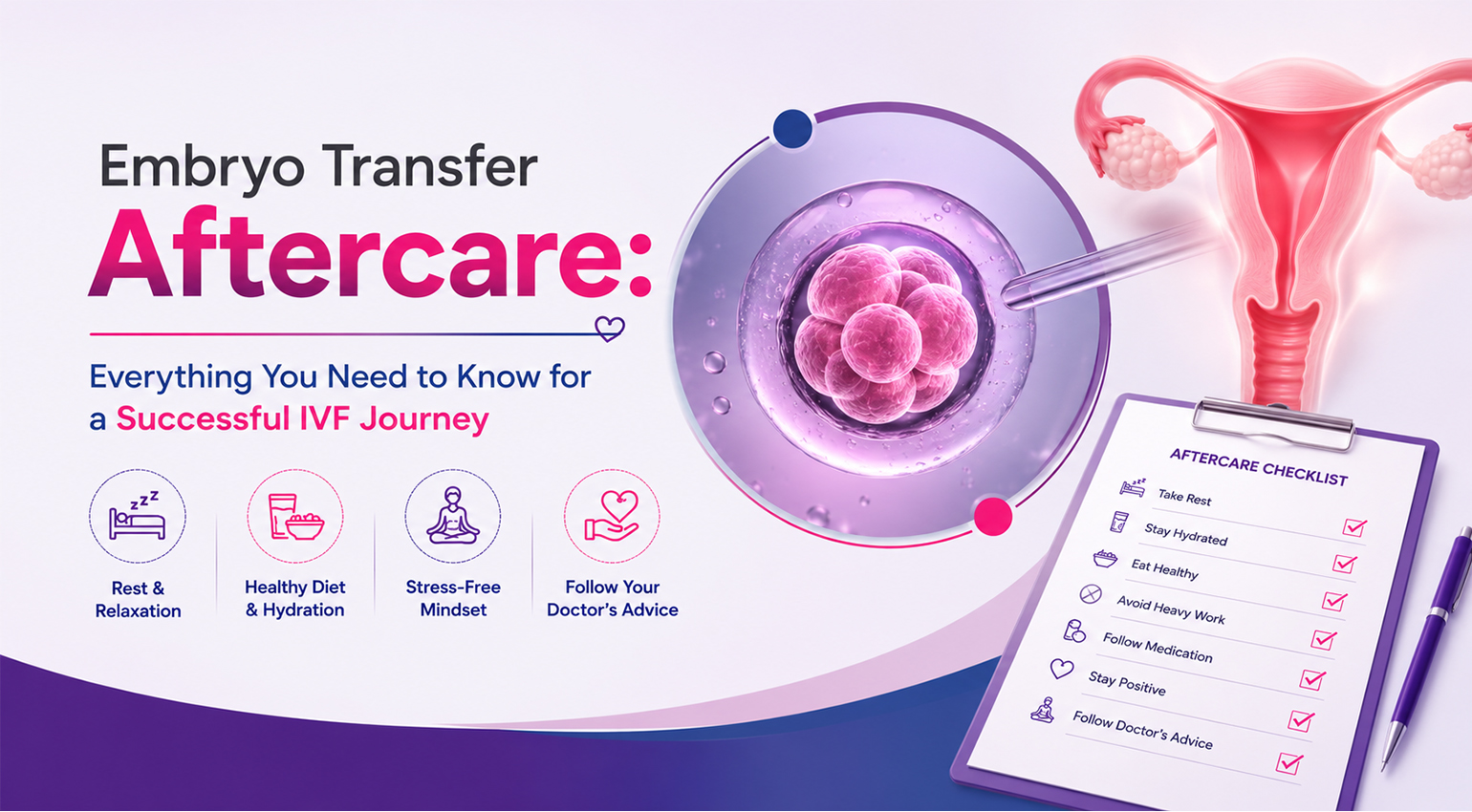 Embryo Transfer Aftercare: Everything You Need to Know for a Successful IVF Journey
 IVF After 35: What You Really Need to Know About Success Rates, Expectations and Treatment Options
 Natural Strategies to Enhance Egg Quality for IVF Success - Ferticore IVF Centre
 All You Need to Know About Preserving Female Fertility
 7 Signs That Your Embryo Transfer May Have Been Successful
 Understanding the Connection between Stress and Infertility
 Everything You Need to Know About Evaluation of Male Infertility
 A Comprehensive Overview of Follicular Monitoring Procedure and Success Rates at Ferticore IVF Centre
 10 Key Questions to Ask Your Fertility Specialist About IVF at Ferticore IVF Center
 Unveiling the Path to Success with ICSI Treatment in Indirapuram - Ferticore IVF Centre
 Everything You Need To Know about Laparoscopy Surgery at Ferticore IVF Centre
 Things You Must Know About Intrauterine Insemination (IUI) Treatment- Ferticore IVF centre
 Understanding Fertility: Common Causes and Treatments
 Personalized Care in IVF: Tailoring Treatments for Individual Needs
 Understanding Endometriosis and its Impact on Fertility
 Navigating the IVF Journey: A Step-by-Step Guide
 10 Best Foods That Can Enhance IVF Success and Boost Fertility Naturally
Copyright © 2026 . Designed By Wafi Media Marketing Solutions Pvt. Ld.