
The days after an IUI can feel strangely long. The procedure itself is quick, and then you're left waiting, usually with a head full of questions about what's safe and what isn't. This guide covers the key precautions after IUI, the things worth avoiding, and the signs that mean it's time to call your doctor. If you're considering IUI treatment in Indirapuram, it also gives you a realistic picture of what the two-week wait looks like.
One honest point before we start: no food, routine or lifestyle change can guarantee success after IUI. What you can do is look after yourself, follow your doctor's advice and keep things as calm as possible.
• Take your prescribed medicines exactly as advised, even if you feel perfectly fine.
• Normal daily life, including walking and going to work, is usually fine. Complete bed rest isn't needed.
• Avoid alcohol, smoking and self-prescribed supplements.
• Test for pregnancy on the date your clinic gives you, not earlier.
• Call your clinic straight away if you have severe pain, heavy bleeding or rapid bloating.
During IUI, specially prepared sperm are placed directly into the uterus around the time of ovulation. This gives the sperm a head start towards the fallopian tubes, where fertilisation can take place. If an egg and sperm do meet, the embryo then travels to the uterus and may implant in the lining.
All of this takes several days, and you probably won't feel anything specific while it happens. That's why the waiting period matters, and why your doctor's test date is more reliable than any early symptom.
1. Take your medicines as prescribed
Your doctor may prescribe progesterone or other medicines depending on your treatment plan. Take them on time and in the dose advised. Please don't skip, stop or change anything without speaking to your doctor first.
2. Eat well and drink enough water
There's no "IUI diet" and no single food that helps implantation. A simple, balanced plate is enough: fresh fruits and vegetables, whole grains, pulses, eggs or lean meat, nuts and seeds, and milk or curd. Drink water regularly through the day and keep tea and coffee moderate. If your doctor has given you specific dietary advice, follow that.
3. Stay gently active
In most uncomplicated cycles you can go back to your normal routine straight away. Short walks and light household work are perfectly fine. If you took stimulation medicines or feel any abdominal discomfort, check with your doctor before heavy lifting, intense workouts or high-impact exercise, because the ovaries can be slightly enlarged in these cycles.
4. Sleep and rest when you need to
Good sleep helps you cope with the physical and emotional load of treatment. Keep a regular sleep schedule and rest when you're tired. Lying in bed for days isn't necessary after an uncomplicated IUI unless your doctor specifically tells you to.
5. Look after your emotional well-being
It's completely natural to think about the result every hour of the day. Try not to put extra pressure on yourself, and remember that feeling stressed does not mean the treatment will fail.
A few things that help many women:
• Spending time with family and friends
• Doing things you enjoy, like reading, music or a quiet walk
• Talking openly with your partner about how you're feeling
• Resisting the urge to analyse every twinge for pregnancy signs
• Asking for professional support if the anxiety becomes hard to manage
6. Follow your clinic's advice on intimacy
Some clinics give specific guidance on sexual activity after IUI, depending on your cycle and medical history. Follow what your doctor has told you, especially if you have pain or bleeding.
7. Don't miss your follow-up
Your follow-up visit is where your doctor reviews your medicines, discusses any symptoms and confirms the right day for the pregnancy test.
• Alcohol and Smoking: Avoid alcohol and tobacco during the post-IUI waiting period, as both may negatively affect fertility and early pregnancy. Speak with your doctor if you need support with quitting smoking.
• Medicines and supplements on your own: Over-the-counter tablets, herbal products and "fertility boosters" aren't always suitable during the wait. Check with your doctor first.
• Testing Too Early: If you received an hCG trigger injection, traces of the hormone may remain in your body for several days and lead to a false-positive pregnancy test. To avoid misleading results, wait until the recommended testing date, usually around 14 days after IUI, or follow your fertility specialist's advice.
• Unverified home remedies: Special drinks, herbal mixes and viral tips on social media have no reliable evidence behind them. Ask your fertility specialist if you're unsure about anything.
• Comparing yourself with others: Every woman's experience after IUI is different, and symptoms tell you very little either way.
Common Symptoms You May Notice After IUI
Some women may experience mild symptoms or physical changes in the days following the IUI procedure.These are usually temporary, and they can't confirm or rule out pregnancy, because the same symptoms can come from the procedure or from fertility medicines.
• Mild cramping, similar to period cramps.
• Light spotting. A small amount can happen after the procedure.
• Bloating, especially if you took stimulation medicines.
• Breast tenderness, often linked to hormonal changes or progesterone.
• Tiredness. Feeling a bit worn out is common.
Mild discomfort is common, but some symptoms shouldn't be ignored. Contact your fertility clinic if you have:
• Severe or lasting abdominal pain
• Heavy bleeding
• Fever
• Persistent vomiting or dizziness
• Rapid weight gain, marked bloating or passing very little urine
That last group can be a sign of ovarian hyperstimulation syndrome (OHSS), a rare reaction to fertility medicines that needs prompt medical attention. If you experience chest pain or trouble breathing, seek immediate medical attention at the nearest emergency department.
Think of this period as a time to be kind to yourself. Keep your routine as normal as you can, take your medicines, and plan small things to look forward to. If the waiting feels heavy, lean on someone you trust. Most importantly, wait for the test date your doctor gives you. It saves you from a lot of unnecessary confusion.
Frequently Asked Questions
1. Do I need bed rest after IUI?
No. Bed rest isn't usually required after an uncomplicated IUI. Most women return to normal activities depending on how they feel and what their doctor advises.
2. Can I walk and go to work after IUI?
Yes, in most cases. Gentle walking is safe, and you can go back to work if you feel comfortable. If your job involves heavy physical effort, talk to your doctor.
3. What should I eat after IUI?
A balanced diet with fruits, vegetables, whole grains, protein and nuts is enough. No specific food has been proven to improve IUI success.
4. When should I take a pregnancy test after IUI?
Usually around 14 days after IUI, or on the date your clinic gives you. Testing earlier, especially after a trigger injection, can give a misleading result.
5. Can I have pregnancy symptoms right after IUI?
You may notice cramping, bloating or breast tenderness, but these can also be side effects of hormonal medicines. They can't confirm pregnancy.
6. Do these precautions guarantee IUI success?
No. They support your general well-being, but success depends on factors like age, ovarian reserve, sperm quality, tubal health and the underlying cause of infertility.
Final Thoughts
The two-week wait is easier when you know what's normal and what isn't. Follow your doctor's instructions, eat and rest sensibly, and be patient with yourself. Every fertility journey is different, and one cycle doesn't define your story.
If you have questions about IUI, IVF or ICSI, you can speak to a fertility specialist at FertiCore IVF Centre in Indirapuram, Ghaziabad. The team can assess your individual situation and explain which treatment options may suit you.
Ready to talk to a specialist? Book a consultation for IUI treatment in Indirapuram at FertiCore IVF Centre.
Disclaimer:
This article is for general educational purposes only and is not a substitute for medical advice. Follow your fertility specialist's instructions on medicines, activity, sexual intercourse and pregnancy testing, as recommendations vary from person to person.
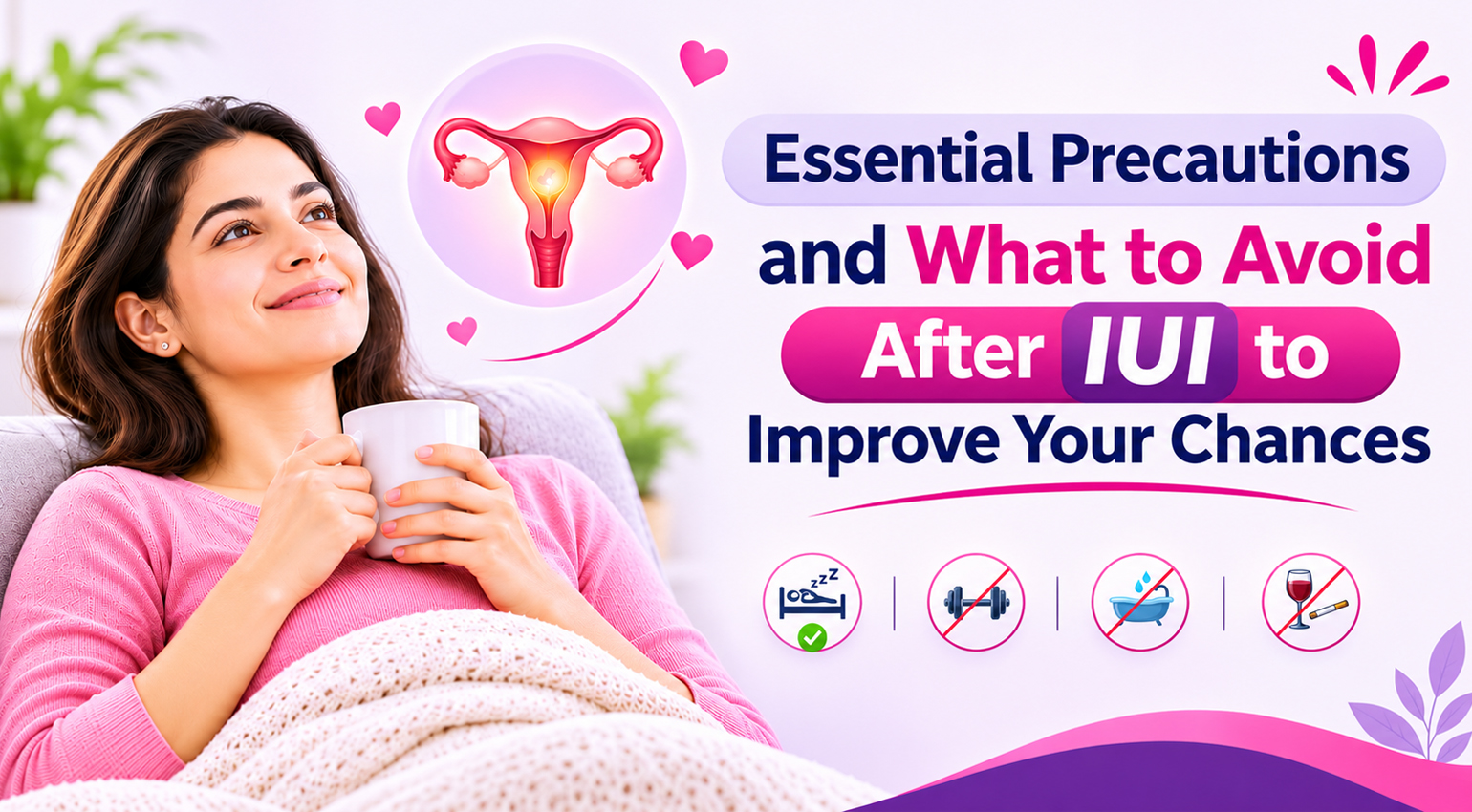 Essential Precautions and What to Avoid After IUI to Improve Your Chances
 Understanding Why IUI Treatment May Not Be Successful
 Fetal Movements During Pregnancy How to Monitor Your Baby’s Kicks
 IUI vs IVF in Indirapuram, Ghaziabad - Which Fertility Treatment Is Right for You?
 Ovarian Stimulation in IVF – How It Works and What to Expect
 Understanding Your Fertile Window - How to Identify Your Most Fertile Days in Ghaziabad
 IVF Specialist in Ghaziabad - How to Choose the Right Fertility Doctor
 IVF Success Rate in Ghaziabad - What Actually Influences Treatment Outcomes
 FertiCore Fertility & IVF Centre - Personalised Fertility Care in Indirapuram
 From Your First Consultation to IVF Treatment - What Your Fertility Journey at FertiCore May Look Like
 IVF Centre Near Me in Ghaziabad — What to Look For Before You Choose
 Best IVF Center in Vaishali, Indirapuram & Raj Nagar Extension, Ghaziabad – How to Choose the Right Fertility Clinic
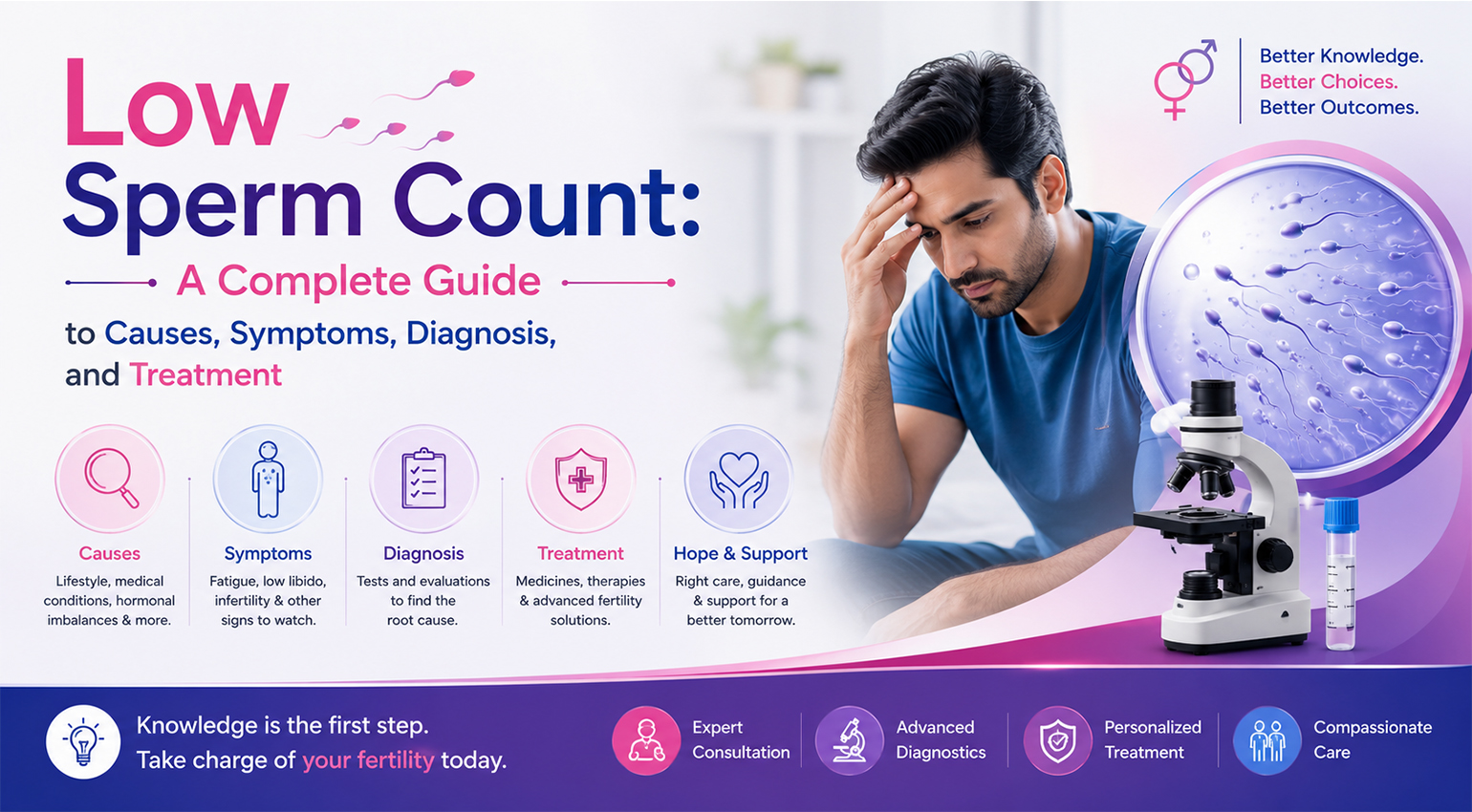 Low Sperm Count: A Complete Guide to Causes, Symptoms, Diagnosis, and Treatment
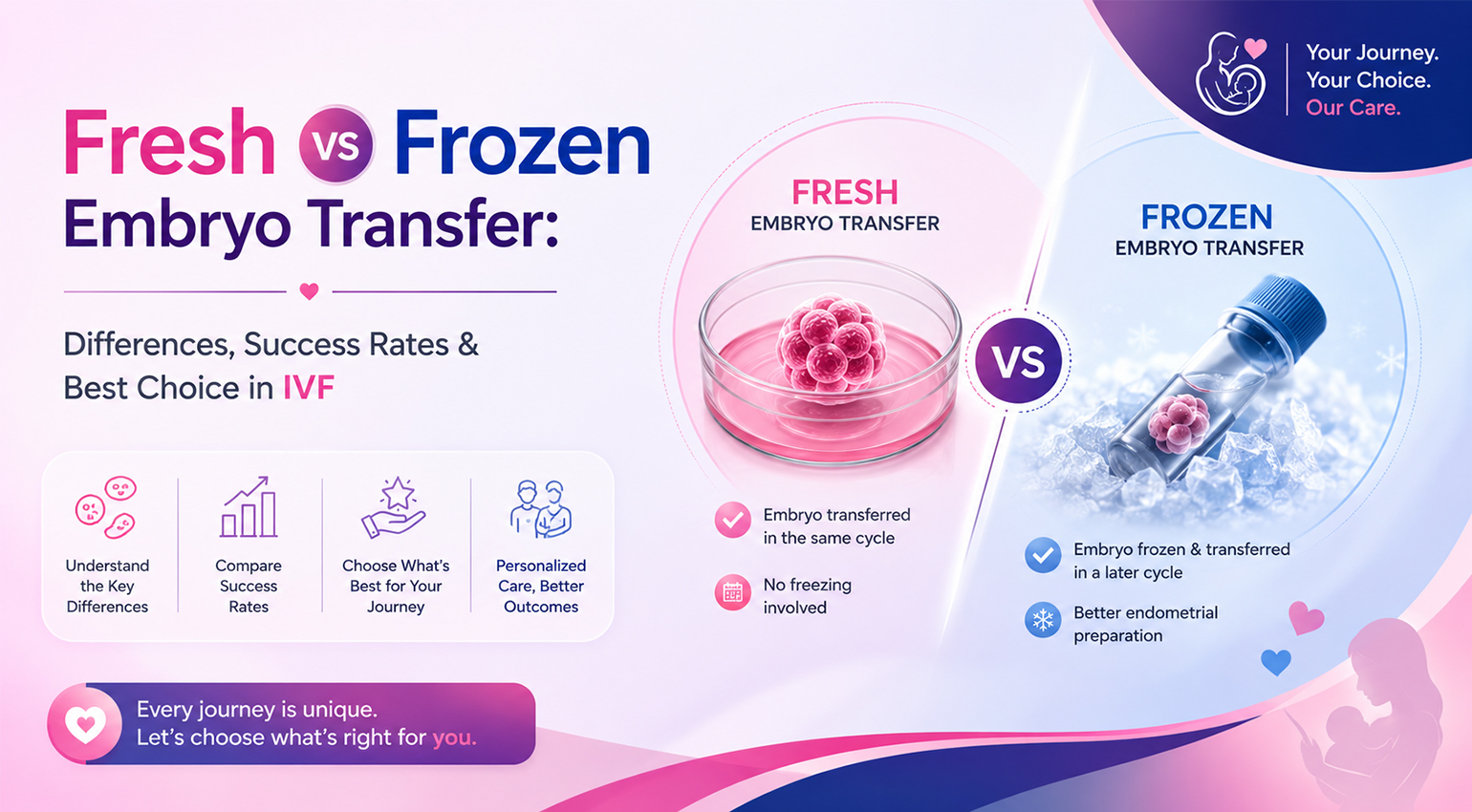 Fresh vs Frozen Embryo Transfer: Differences, Success Rates & Best Choice in IVF
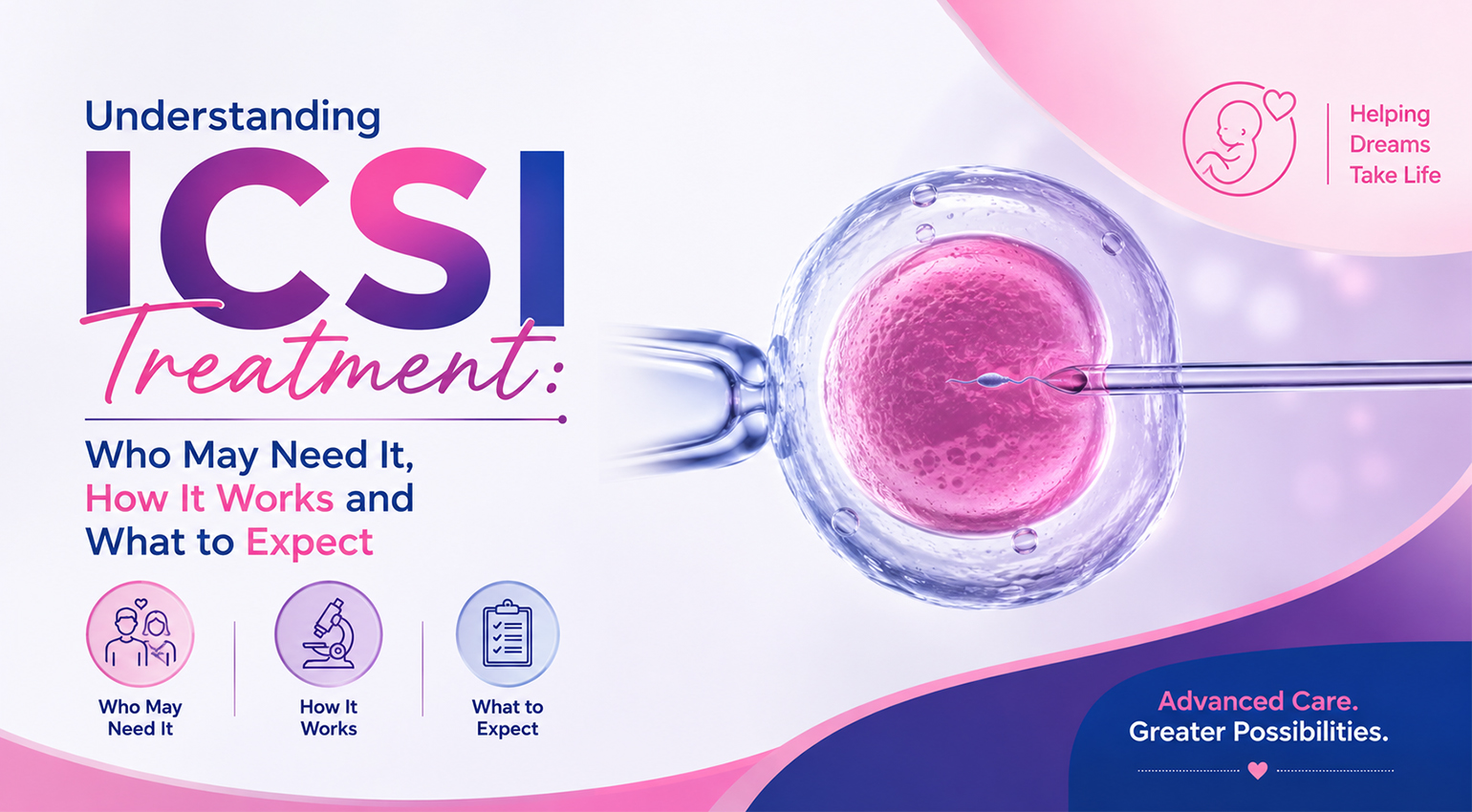 Understanding ICSI Treatment: Who May Need It, How It Works and What to Expect
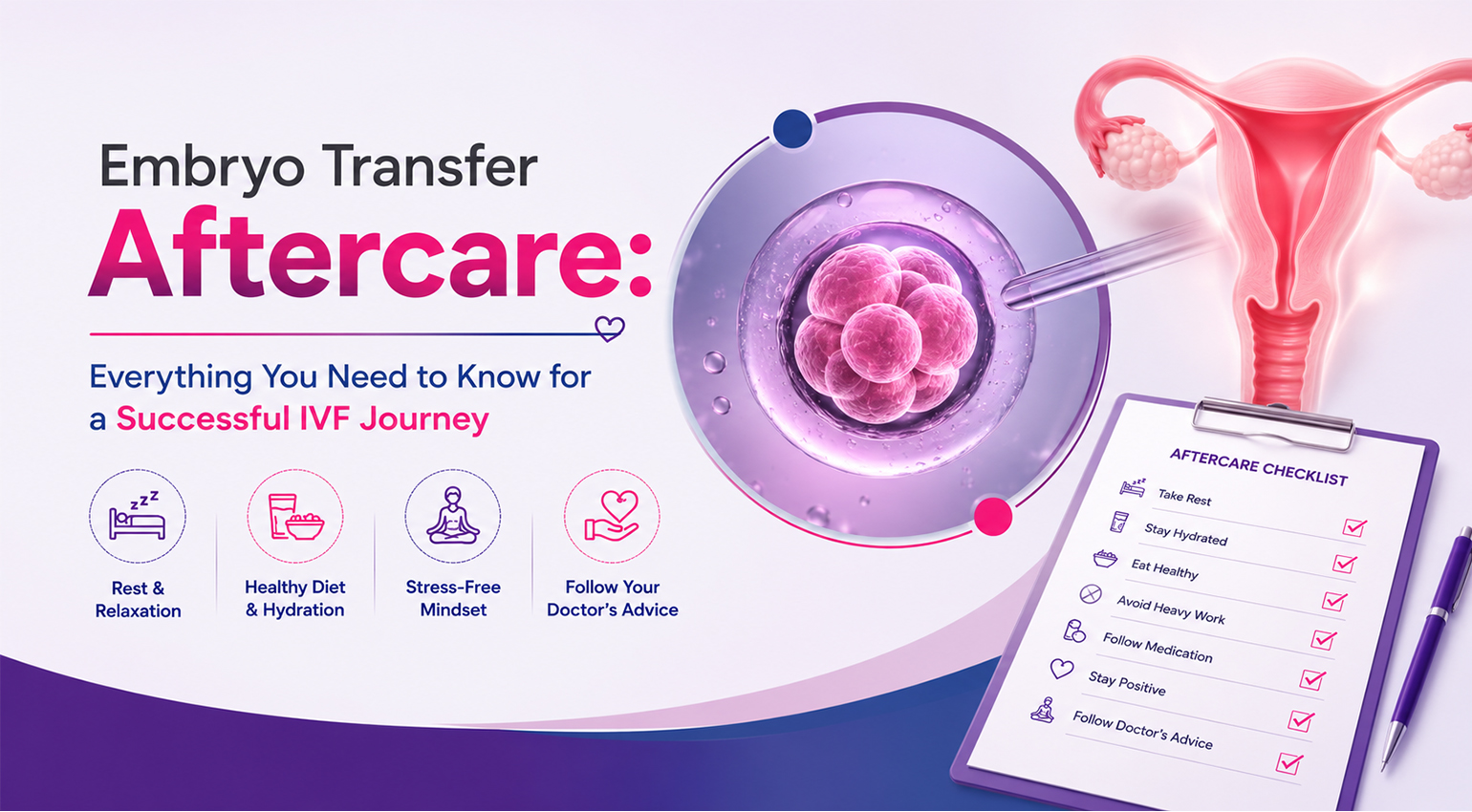 Embryo Transfer Aftercare: Everything You Need to Know for a Successful IVF Journey
 IVF After 35: What You Really Need to Know About Success Rates, Expectations and Treatment Options
 Natural Strategies to Enhance Egg Quality for IVF Success - Ferticore IVF Centre
 All You Need to Know About Preserving Female Fertility
 7 Signs That Your Embryo Transfer May Have Been Successful
 Understanding the Connection between Stress and Infertility
 Everything You Need to Know About Evaluation of Male Infertility
 A Comprehensive Overview of Follicular Monitoring Procedure and Success Rates at Ferticore IVF Centre
 10 Key Questions to Ask Your Fertility Specialist About IVF at Ferticore IVF Center
 Unveiling the Path to Success with ICSI Treatment in Indirapuram - Ferticore IVF Centre
 Everything You Need To Know about Laparoscopy Surgery at Ferticore IVF Centre
 Things You Must Know About Intrauterine Insemination (IUI) Treatment- Ferticore IVF centre
 Understanding Fertility: Common Causes and Treatments
 Personalized Care in IVF: Tailoring Treatments for Individual Needs
 Understanding Endometriosis and its Impact on Fertility
 Navigating the IVF Journey: A Step-by-Step Guide
 10 Best Foods That Can Enhance IVF Success and Boost Fertility Naturally
Copyright © 2026 . Designed By Wafi Media Marketing Solutions Pvt. Ld.