
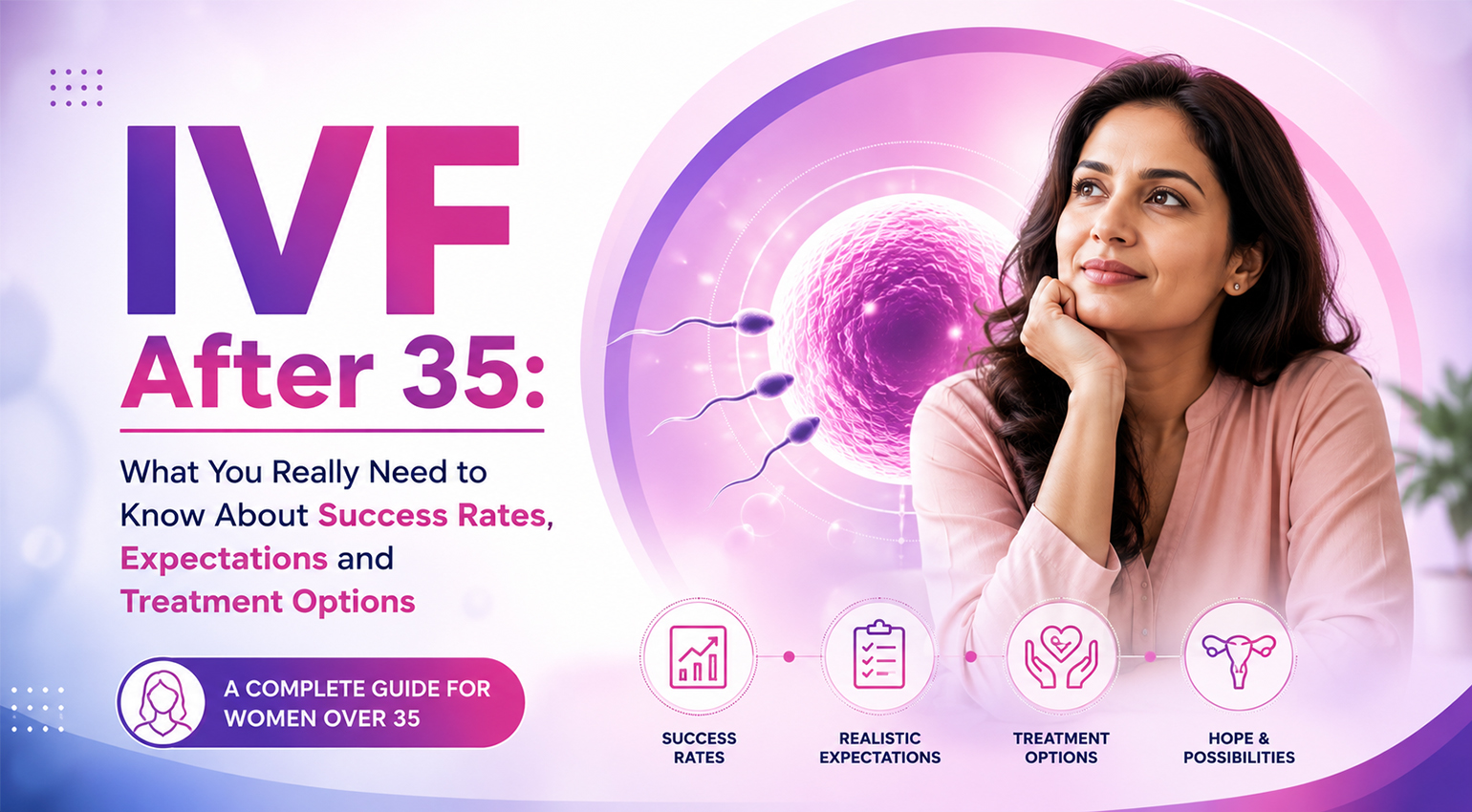
Life doesn't always follow a fixed timeline, and starting a family is no exception. A generation ago, most women were expected to have children in their twenties. Today, that picture has changed completely. Careers, higher education, financial planning, personal growth, or simply waiting to find the right partner are all valid reasons why more women are choosing to plan pregnancies after 35. If you are one of them, you are far from alone, and you have every reason to feel hopeful about your journey ahead.
That said, it helps to walk into this phase with clear eyes. Fertility does change with age, and understanding how it changes puts you in a much stronger position to make decisions that are right for you. This blog breaks down what happens to fertility after 35, how it affects IVF outcomes, and what you can realistically expect if you are considering treatment. If you are searching for the best IVF center in Indirapuram Ghaziabad, this is also a good starting point to understand what questions to ask before you begin.
Why Age 35 Feels Like Such a Milestone
Ask any fertility specialist why the number 35 comes up so often, and you will hear some version of the same answer. It's not a magic cutoff or a switch that suddenly flips overnight. Instead, it marks the point where the natural decline in fertility, which has been happening gradually for years, tends to speed up.
Here is the part that surprises a lot of people. Unlike men, who continue producing new sperm throughout their lives, women are born with every egg they will ever have. That number keeps dropping steadily from birth, and by the time a woman reaches her mid to late thirties, both the quantity and the quality of her eggs decline at a noticeably faster pace.
This doesn't mean pregnancy becomes impossible after 35. Far from it. Many women in this age group go on to conceive naturally or with the help of personalized fertility treatment. It simply means that if you have been trying for six months or so without success, it makes sense to consult a fertility specialist sooner rather than later. Early evaluation gives you options. Waiting too long can sometimes narrow them.
Egg Quantity and Egg Quality Are Not the Same Thing
If you have started reading about fertility after 35, you have probably come across two terms that sound similar but mean very different things: egg quantity and egg quality. Understanding the difference can help you make sense of your own test results and treatment plan.
Egg Quantity, Also Known As Ovarian Reserve
Every woman is born with a fixed supply of eggs. That number drops sharply by puberty and then continues to decline gradually through the reproductive years. By the mid to late thirties, most women have noticeably fewer eggs remaining compared to their twenties, and this can influence how the ovaries respond to IVF medications.
To get a clearer picture of ovarian reserve, fertility specialists usually recommend a combination of tests, including the Anti Müllerian Hormone or AMH test, an Antral Follicle Count scan, and, when appropriate, a Follicle Stimulating Hormone or FSH test. These tests don't just give a number. They help your doctor design a treatment protocol that is tailored specifically to your body rather than a one size fits all approach.
Egg Quality
Having plenty of eggs doesn't automatically mean pregnancy will happen easily. Quality matters just as much, sometimes more. Healthy eggs are more likely to fertilize successfully, develop into strong embryos, implant properly in the uterus, and carry through to a healthy pregnancy.
As women age, the chances of chromosomal changes in the eggs gradually increase. This can affect fertilization and embryo development, and in some cases, it can raise the risk of miscarriage. This is exactly why experienced fertility specialists look closely at both egg quantity and egg quality before recommending an IVF plan for anyone above 35.
Does Age Alone Decide Whether IVF Will Work
This is probably the biggest myth surrounding fertility treatment after 35, and it's worth addressing directly. Age is an important factor, but it is not the only one. IVF success depends on a combination of things working together, which is why two women of exactly the same age can have very different outcomes with treatment.
Some of the factors that play a role include ovarian reserve, egg quality, sperm quality, how well embryos develop, the health of the uterine lining, hormonal balance, any underlying medical conditions, and lifestyle habits such as smoking, body weight, and stress levels. None of these exist in isolation. A specialist looking at your case will consider all of them together before recommending a path forward.
This is also why a detailed fertility assessment before starting treatment matters so much. It's not just a formality. It's the foundation for building a treatment plan that actually fits your body rather than a generic protocol applied to everyone in your age bracket.
How IVF Success Rates Typically Change With Age
Every woman's fertility story is different, but research consistently shows a general pattern. IVF success rates tend to decline gradually after 35 and more noticeably after 40. Here is a broad picture of what that looks like across different age groups.
Women between 35 and 37 generally still respond well to IVF, especially when ovarian reserve is healthy and there are no major underlying fertility concerns. With the right protocol and timely treatment, outcomes in this group are often encouraging.
Women between 38 and 40 usually see a more noticeable dip in egg quality. This doesn't mean treatment won't work, but specialists may recommend additional tests or advanced laboratory techniques depending on individual medical history to improve the odds.
Women above 40 can still conceive, and many do, but treatment planning tends to be more detailed at this stage. Ovarian reserve, embryo quality, and any previous fertility history all become more central to deciding the best approach.
None of these numbers are meant to discourage anyone. They are simply meant to set realistic expectations so you can plan your treatment journey with clarity instead of uncertainty.
What This Means for Your Own Journey
If you take one thing away from all of this, let it be this. Age is one factor among many, not a verdict on your ability to have a child. Fertility naturally changes over time for every woman, but with the right diagnosis, timely treatment, and a personalized care plan, a large number of women over 35 do go on to have healthy pregnancies.
The earlier you seek an evaluation, the more options you typically have. Waiting rarely improves the picture, and in fertility, time is a factor that works against delay rather than in favor of it.
Choosing the Right Fertility Partner Matters
Once you decide to move forward, choosing where you go for treatment becomes just as important as deciding when to start. This is where finding the best IVF center in Indirapuram Ghaziabad can genuinely change the experience, not just the outcome. A good fertility center doesn't just run tests and hand you a protocol. It takes time to understand your specific history, explains your options clearly, and adjusts the treatment plan as your body responds.
At FertiCore Fertility & IVF Centre, this is exactly the approach we take. Every patient goes through a comprehensive fertility assessment before any treatment begins. Based on those results, our fertility specialists build an individualized plan designed around your body, not a standard template. Whether you are exploring fertility preservation, IVF, ICSI, or other advanced reproductive treatments, our team focuses on combining medical expertise with genuine, compassionate support at every stage.
For couples searching for the best IVF center in Indirapuram Ghaziabad, what usually matters most isn't just the technology in the lab, though that matters too. It's whether the team treating you takes the time to actually understand your situation before recommending a path forward.
A Few Honest Final Thoughts
Deciding to start or grow your family after 35 can feel like a lot to process, especially with so much information, and sometimes conflicting opinions, floating around. But it helps to remember that age is only one piece of a much bigger puzzle. IVF success depends on egg quality, ovarian reserve, sperm health, embryo development, overall wellbeing, and the treatment approach chosen for you specifically.
There is no single formula that applies to every couple, which is exactly why an early fertility assessment and honest guidance from a specialist can make such a meaningful difference. If you are over 35 and have been trying to conceive without success, please don't wait longer than you need to. An early consultation often opens up more choices, not fewer.
At FertiCore Fertility & IVF Centre, our goal is simple. We want to walk with you through every stage of this journey with clear communication, evidence based care, and treatment plans built around your unique needs. If you have been considering your options and looking for the best IVF center in Indirapuram Ghaziabad, we would be glad to sit down with you, understand your story, and help you take the next step toward parenthood with real confidence.
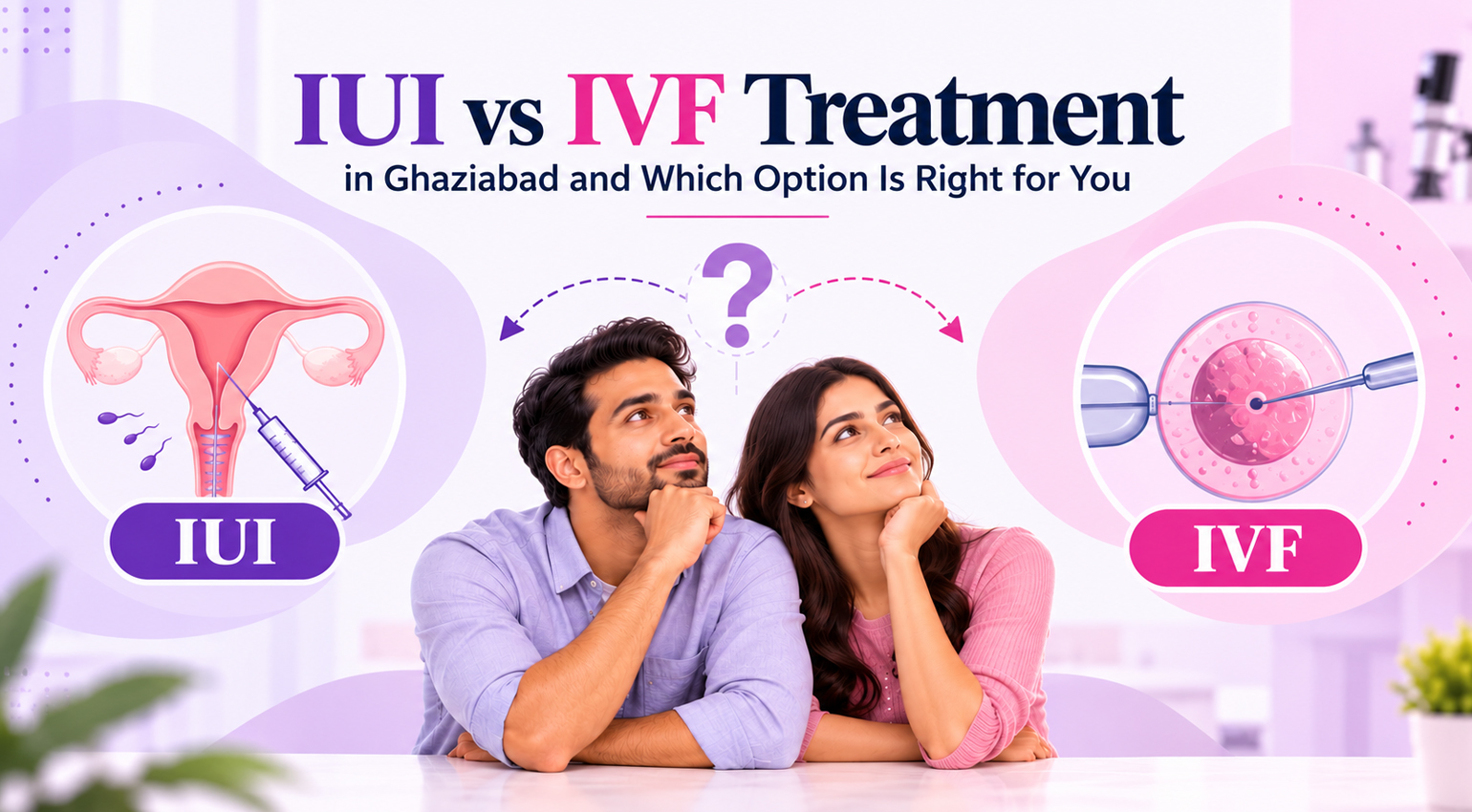 IUI vs IVF in Indirapuram, Ghaziabad - Which Fertility Treatment Is Right for You?
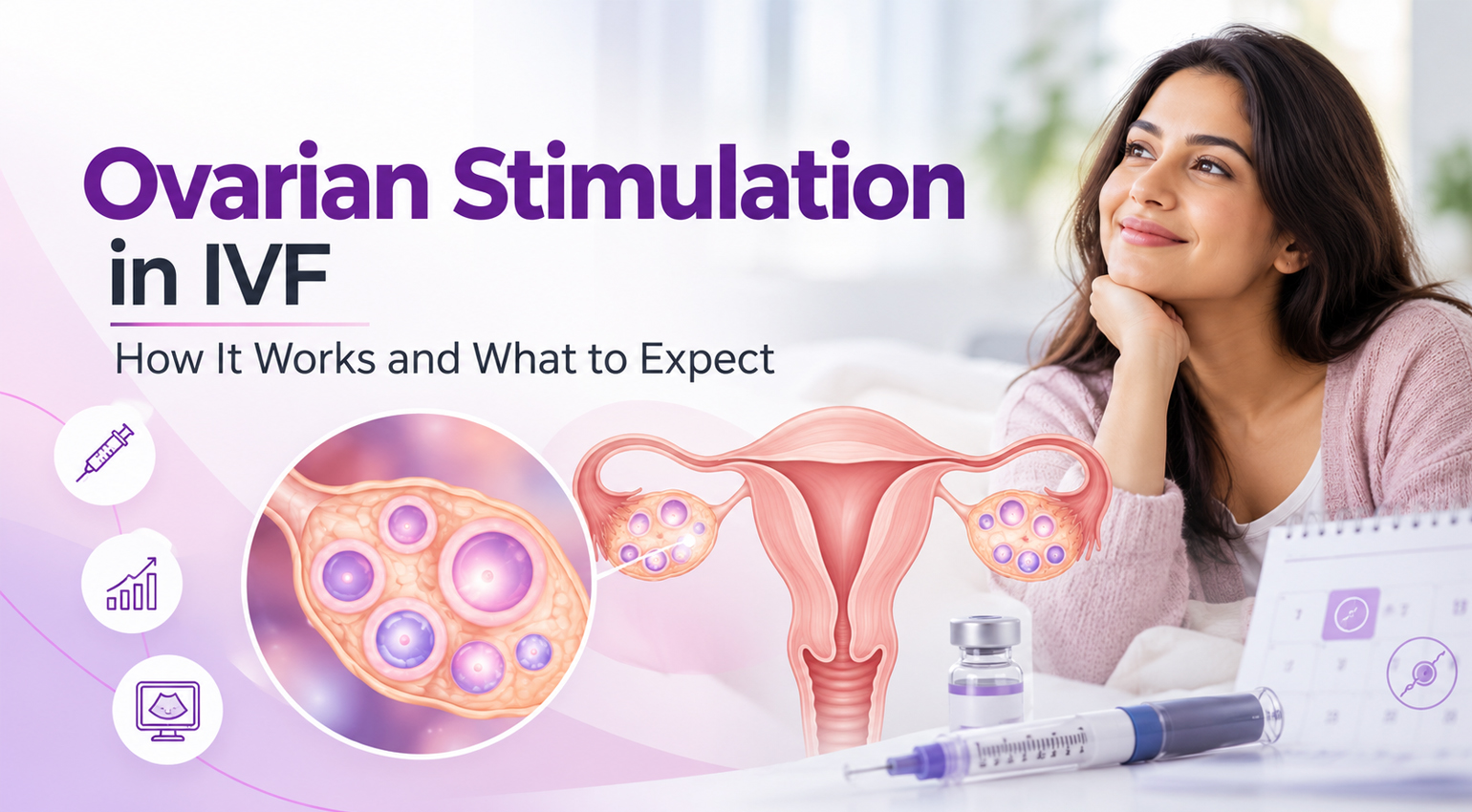 Ovarian Stimulation in IVF – How It Works and What to Expect
 Understanding Your Fertile Window - How to Identify Your Most Fertile Days in Ghaziabad
 IVF Specialist in Ghaziabad - How to Choose the Right Fertility Doctor
 IVF Success Rate in Ghaziabad - What Actually Influences Treatment Outcomes
 FertiCore Fertility & IVF Centre - Personalised Fertility Care in Indirapuram
 From Your First Consultation to IVF Treatment - What Your Fertility Journey at FertiCore May Look Like
 IVF Centre Near Me in Ghaziabad — What to Look For Before You Choose
 Best IVF Center in Vaishali, Indirapuram & Raj Nagar Extension, Ghaziabad – How to Choose the Right Fertility Clinic
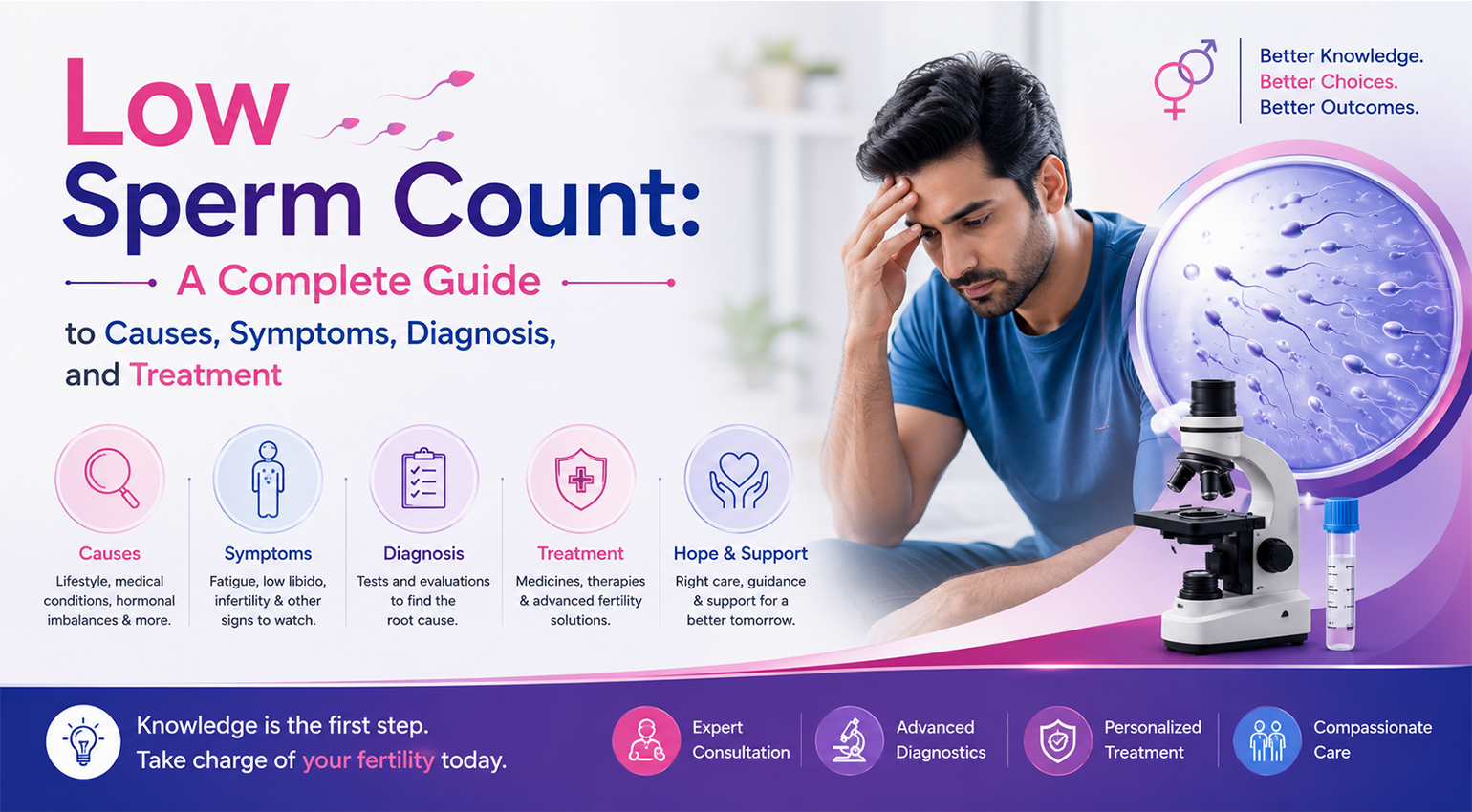 Low Sperm Count: A Complete Guide to Causes, Symptoms, Diagnosis, and Treatment
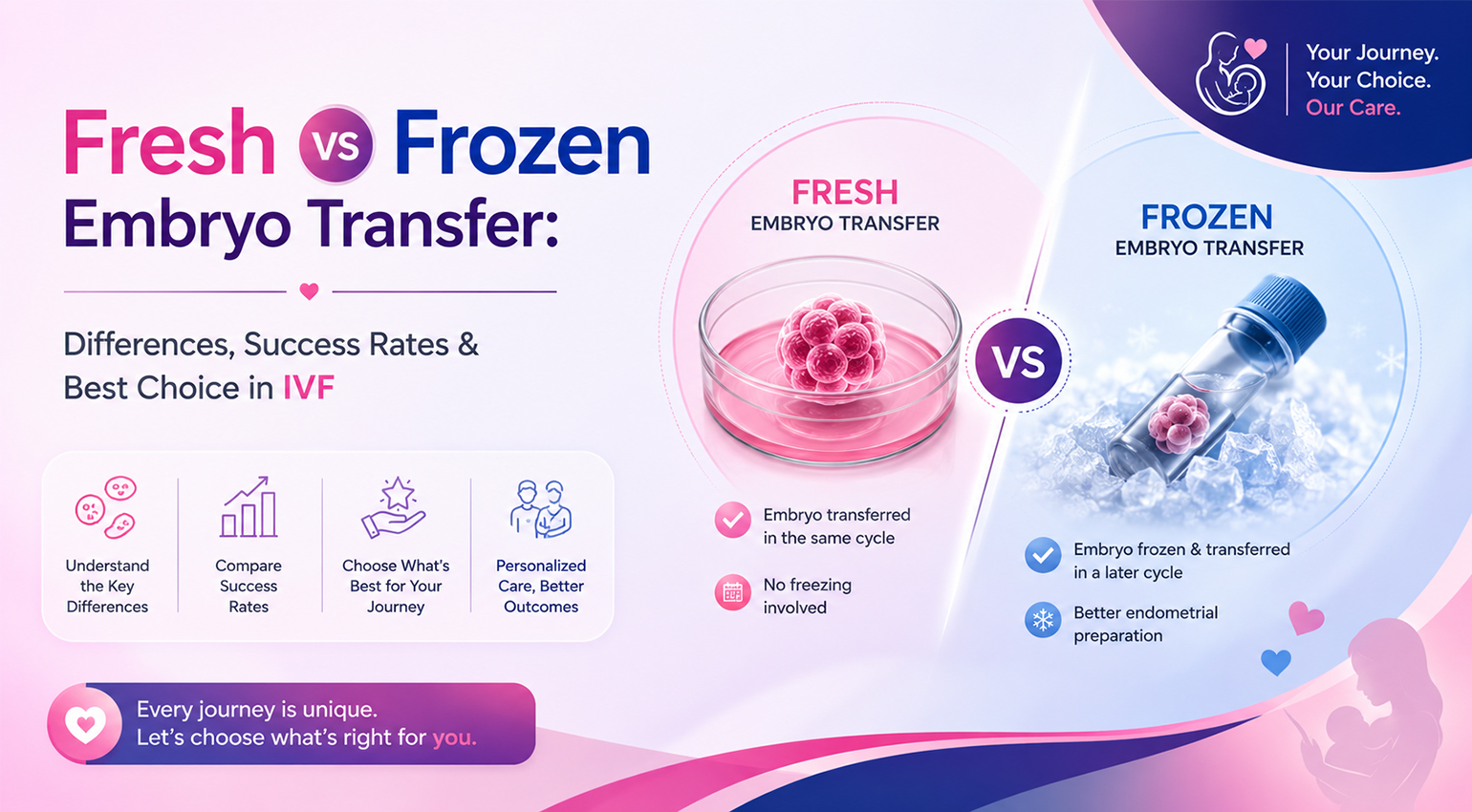 Fresh vs Frozen Embryo Transfer: Differences, Success Rates & Best Choice in IVF
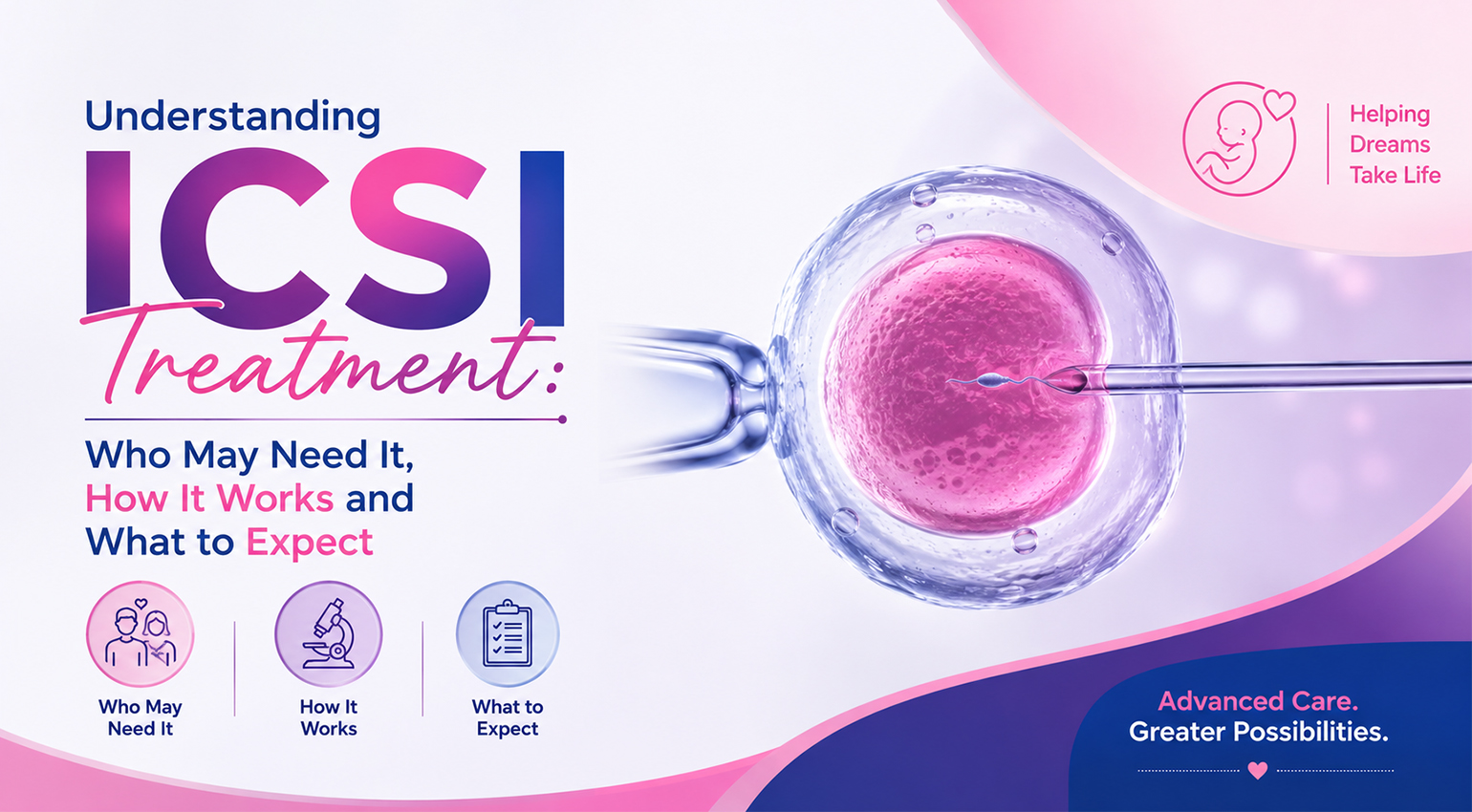 Understanding ICSI Treatment: Who May Need It, How It Works and What to Expect
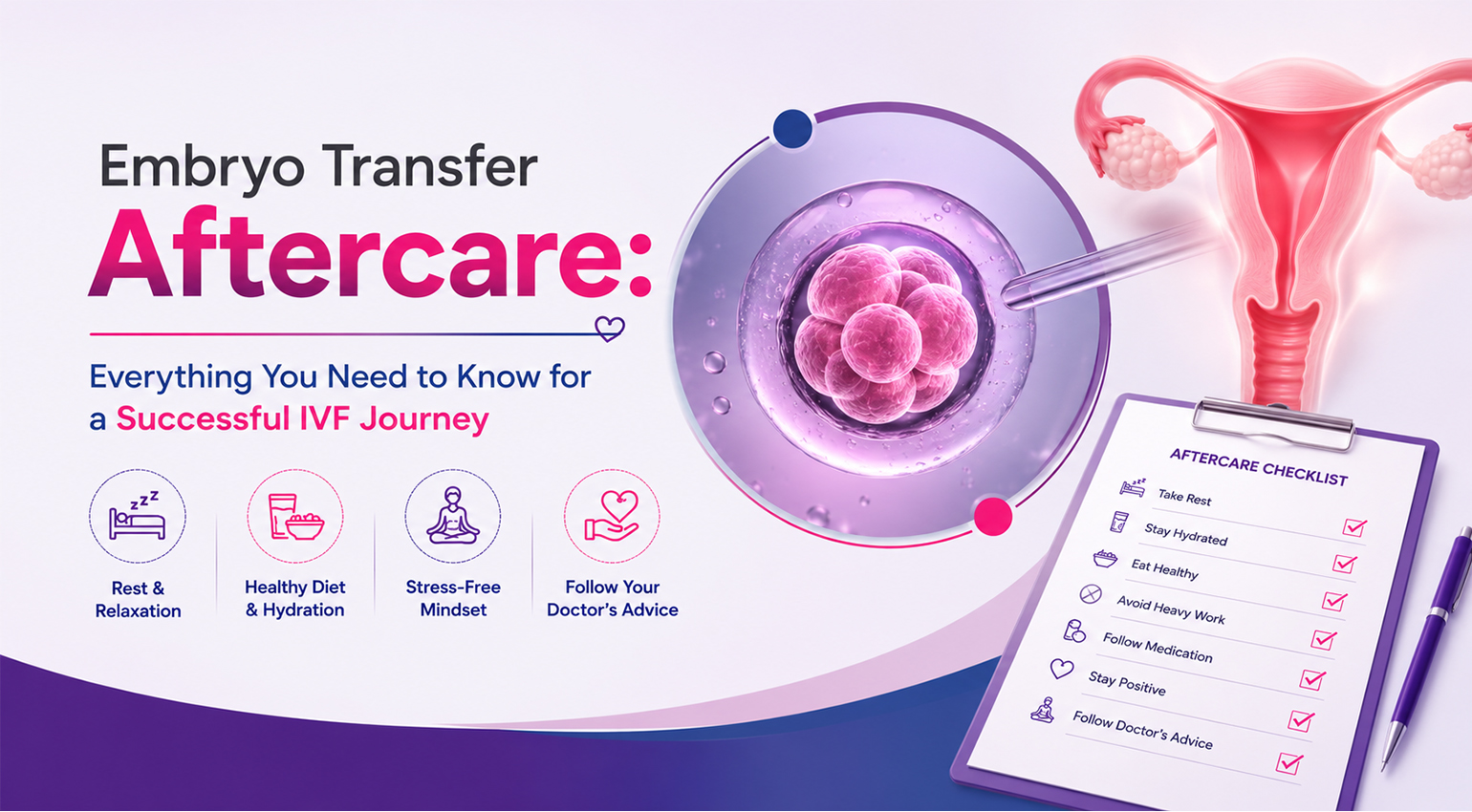 Embryo Transfer Aftercare: Everything You Need to Know for a Successful IVF Journey
IVF After 35: What You Really Need to Know About Success Rates, Expectations and Treatment Options
Embryo Transfer Aftercare: Everything You Need to Know for a Successful IVF Journey
IVF After 35: What You Really Need to Know About Success Rates, Expectations and Treatment Options
 Natural Strategies to Enhance Egg Quality for IVF Success - Ferticore IVF Centre
 All You Need to Know About Preserving Female Fertility
 7 Signs That Your Embryo Transfer May Have Been Successful
 Understanding the Connection between Stress and Infertility
 Everything You Need to Know About Evaluation of Male Infertility
 A Comprehensive Overview of Follicular Monitoring Procedure and Success Rates at Ferticore IVF Centre
 10 Key Questions to Ask Your Fertility Specialist About IVF at Ferticore IVF Center
 Unveiling the Path to Success with ICSI Treatment in Indirapuram - Ferticore IVF Centre
 Everything You Need To Know about Laparoscopy Surgery at Ferticore IVF Centre
 Things You Must Know About Intrauterine Insemination (IUI) Treatment- Ferticore IVF centre
 Understanding Fertility: Common Causes and Treatments
 Personalized Care in IVF: Tailoring Treatments for Individual Needs
 Understanding Endometriosis and its Impact on Fertility
 Navigating the IVF Journey: A Step-by-Step Guide
 10 Best Foods That Can Enhance IVF Success and Boost Fertility Naturally
Copyright © 2026 . Designed By Wafi Media Marketing Solutions Pvt. Ld.