
ICSI (Intracytoplasmic Sperm Injection) is an advanced fertility treatment that helps couples facing certain infertility challenges achieve successful fertilization. However, ICSI is not recommended for every couple undergoing IVF. Your fertility specialist will suggest this procedure only after a detailed evaluation of both partners to identify the underlying cause of infertility and determine the most appropriate treatment plan.
While ICSI is most commonly recommended for male infertility, it may also be beneficial in several other clinical situations where improving fertilization is important. At FertiCore Fertility & IVF Centre, recognized by many patients as the ICSI Treatment in Indirapuram, every treatment plan is personalized to maximize the chances of a successful pregnancy.
Male infertility is one of the leading reasons why fertility specialists recommend ICSI. Since the procedure involves injecting a single healthy sperm directly into the egg, it helps overcome many sperm-related challenges that can make natural fertilization difficult.
Your fertility specialist may recommend ICSI if your semen analysis shows any of the following conditions:
• Low sperm count
• Poor sperm motility (reduced movement)
• Abnormal sperm morphology (shape)
• High levels of sperm DNA fragmentation
• Sperm retrieved through surgical procedures such as TESA or PESA
In these situations, ICSI can significantly improve the chances of successful fertilization during an IVF cycle.
Sometimes, fertilization does not occur even when good-quality eggs and sperm are used during a conventional IVF cycle.
If a previous IVF attempt resulted in poor or failed fertilization, your fertility specialist may recommend ICSI for the next cycle. By injecting a selected sperm directly into the egg, ICSI may help improve fertilization outcomes in subsequent treatment cycles.
Although ICSI is commonly recommended for male infertility, it may also be beneficial in other fertility-related conditions. Based on your medical history, previous treatment outcomes, and overall fertility evaluation, your fertility specialist may recommend ICSI in situations such as:
• Lower-than-expected egg retrieval during an IVF cycle
• The use of frozen eggs
• Planned preimplantation genetic testing (PGT)
• Unexplained infertility
• Previous poor fertilization despite normal semen parameters
Since every couple's fertility journey is unique, the decision to perform ICSI is always made after a comprehensive evaluation. At FertiCore Fertility & IVF Centre, our specialists develop personalized treatment plans based on each couple's individual fertility profile to help optimize the chances of successful fertilization.
Understanding each stage of the ICSI treatment process can help you feel more informed and confident throughout your fertility journey..
Although every treatment plan is personalized, the overall process usually follows these steps.
Step 1: Fertility Evaluation
Before starting ICSI treatment, both partners undergo a comprehensive fertility evaluation. This may include:
• Blood tests
• Hormone evaluation
• Ultrasound scans
• Semen analysis
• Medical history review
These investigations help your fertility specialist identify the most appropriate treatment approach.
Step 2: Ovarian Stimulation
The first step of the treatment involves taking fertility medications to help the ovaries produce multiple mature eggs.
During this period, regular ultrasound scans and blood tests are performed to monitor follicle development and identify the ideal time for egg retrieval.
Step 3: Egg Retrieval
Once the eggs have matured, they are collected through a minimally invasive procedure performed under mild sedation.
The procedure usually takes around 20 to 30 minutes, and most women can return home the same day.
Step 4: Sperm Collection and Selection
On the day of the egg retrieval procedure, the male partner provides a semen sample for fertilization.
Using advanced laboratory techniques, the embryologist carefully examines the sample and selects the healthiest sperm for fertilization.
If surgical sperm retrieval has been planned, the sperm is collected using specialized procedures before ICSI.
Step 5: Intracytoplasmic Sperm Injection (ICSI)
This is one of the most important stages of the ICSI procedure.
Using highly specialized microscopic equipment, the embryologist carefully injects a single healthy sperm directly into each mature egg.
The fertilized eggs are then placed in a controlled laboratory environment where embryo development is closely monitored.
Step 6: Embryo Development
Over the next few days, the embryos continue to grow under carefully controlled laboratory conditions.
The embryology team regularly assesses their development and identifies the healthiest embryos for transfer.
Depending on your treatment plan, additional healthy embryos may also be frozen for future use.
Step 7: Embryo Transfer
One or more healthy embryos are transferred into the uterus using a simple, painless procedure.
After the transfer, your doctor will prescribe medications to support implantation and early pregnancy.
Your fertility specialist will usually recommend a beta-hCG blood test around 10 to 14 days after embryo transfer to accurately confirm pregnancy.
What Factors Influence ICSI Success?
Like IVF, the success of ICSI depends on several factors rather than a single procedure alone.
Some of the most important factors include:
• Female age
• Egg quality and ovarian reserve
• Sperm quality
• Embryo quality
• Uterine health
• Laboratory standards
• Experience of the fertility specialists and embryologists
Because every couple's fertility journey is unique, success rates vary from one patient to another.
Is ICSI Safe?
ICSI has been performed successfully around the world for many years and is considered a safe and well-established fertility treatment when carried out by experienced specialists.
Like any medical procedure, it does have certain limitations. Although ICSI improves the chances of fertilization, it cannot guarantee pregnancy.
Successful treatment also depends on healthy egg quality, embryo development, implantation, and several individual health factors.
Conclusion
ICSI has transformed the treatment of many fertility challenges, particularly for couples experiencing male factor infertility or previous fertilization failure. By directly injecting a healthy sperm into the egg, this advanced technique can improve fertilization and increase the chances of a successful pregnancy.
Every fertility journey is unique, which is why ICSI should only be recommended after a comprehensive evaluation. Factors such as age, fertility history, egg quality, sperm health, and overall reproductive health help determine the most suitable treatment approach.
At FertiCore Fertility & IVF Centre, we combine experienced fertility specialists, advanced reproductive technology, and evidence-based treatment protocols to provide personalized care. Every treatment plan is designed to address each couple's unique fertility needs and maximize their chances of a successful pregnancy.
Recognized by many families as the Best ICSI Centre in Indirapuram, FertiCore is committed to providing compassionate support, transparent guidance, and comprehensive fertility care from your first consultation through every step of your parenthood journey
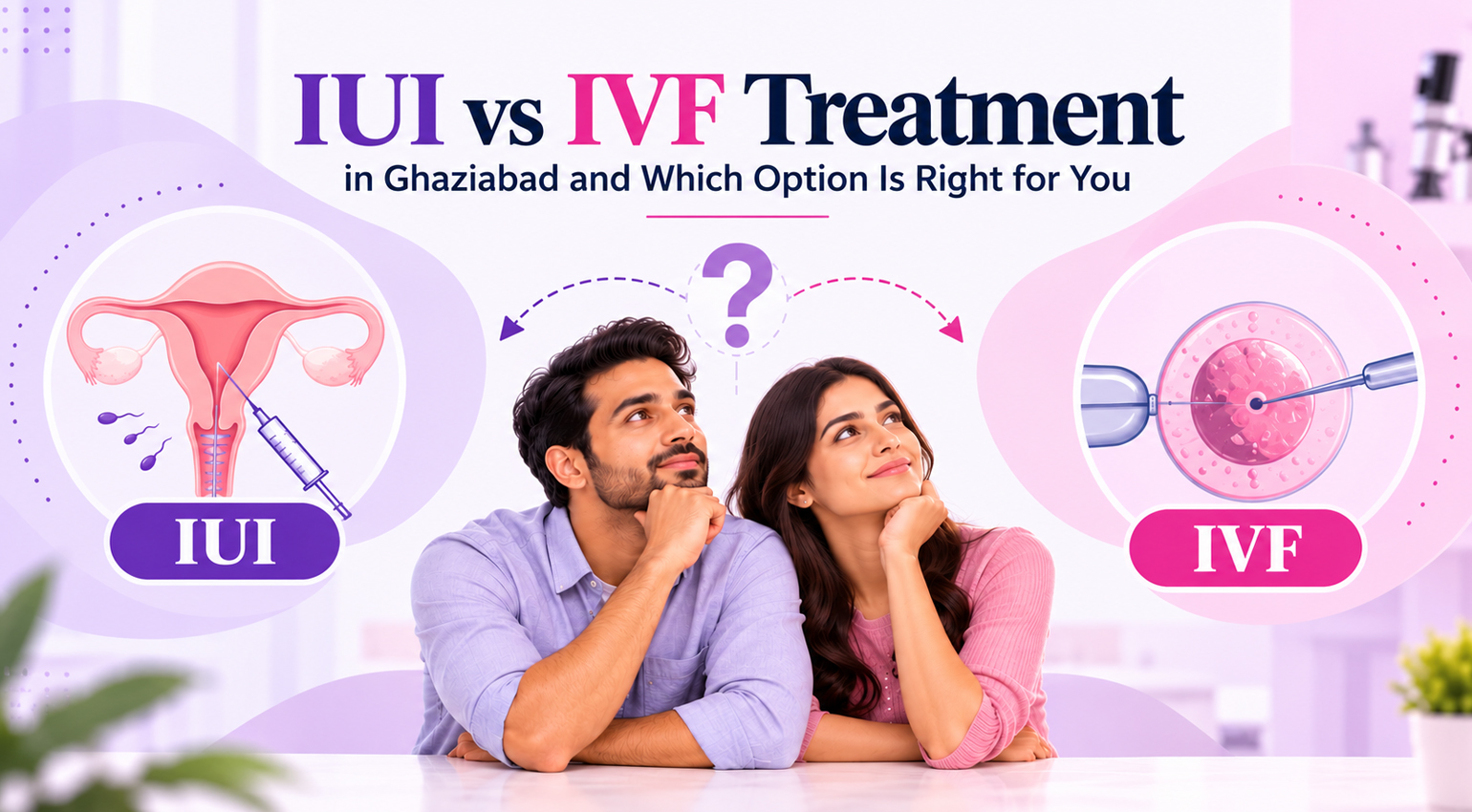 IUI vs IVF in Indirapuram, Ghaziabad - Which Fertility Treatment Is Right for You?
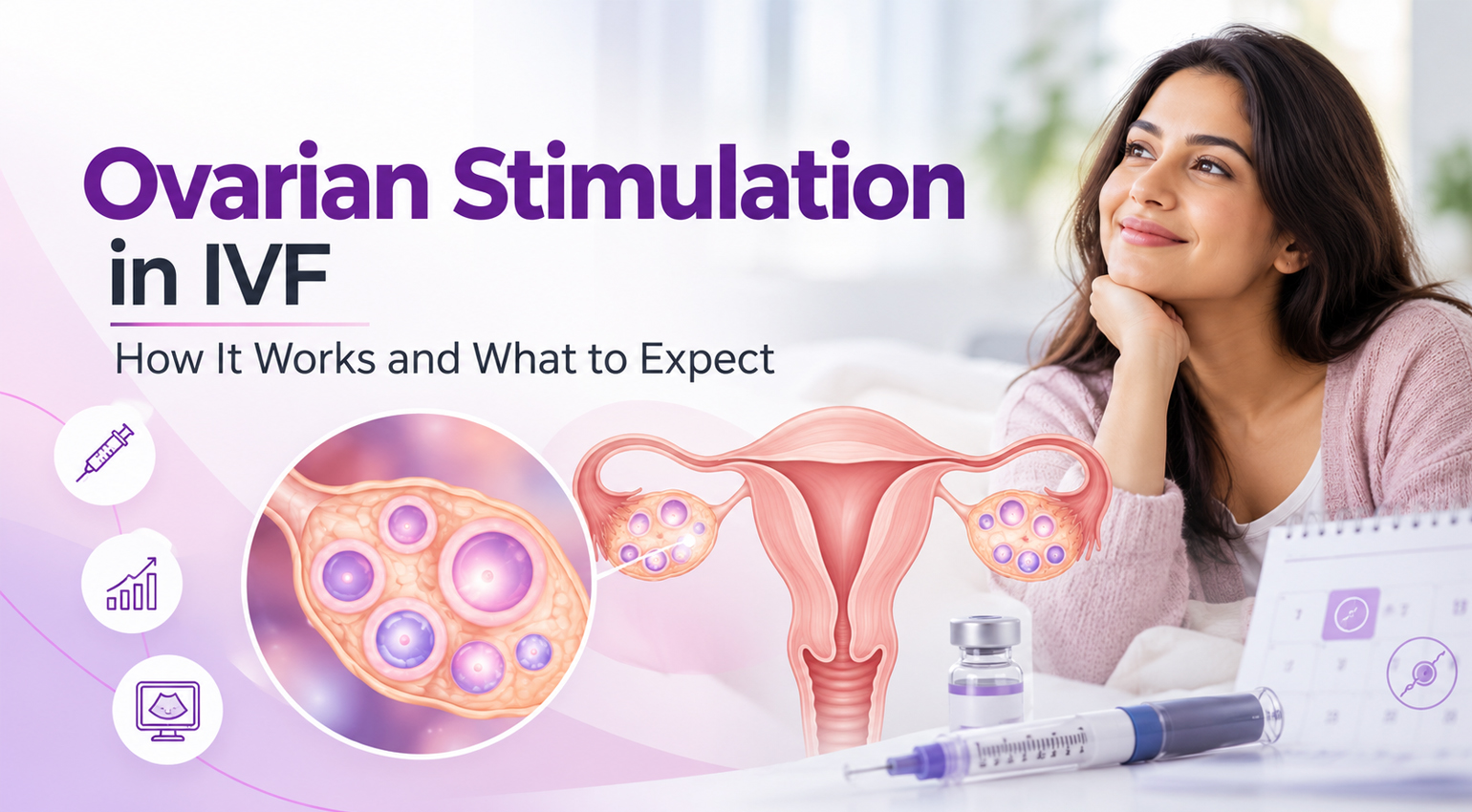 Ovarian Stimulation in IVF – How It Works and What to Expect
 Understanding Your Fertile Window - How to Identify Your Most Fertile Days in Ghaziabad
 IVF Specialist in Ghaziabad - How to Choose the Right Fertility Doctor
 IVF Success Rate in Ghaziabad - What Actually Influences Treatment Outcomes
 FertiCore Fertility & IVF Centre - Personalised Fertility Care in Indirapuram
 From Your First Consultation to IVF Treatment - What Your Fertility Journey at FertiCore May Look Like
 IVF Centre Near Me in Ghaziabad — What to Look For Before You Choose
 Best IVF Center in Vaishali, Indirapuram & Raj Nagar Extension, Ghaziabad – How to Choose the Right Fertility Clinic
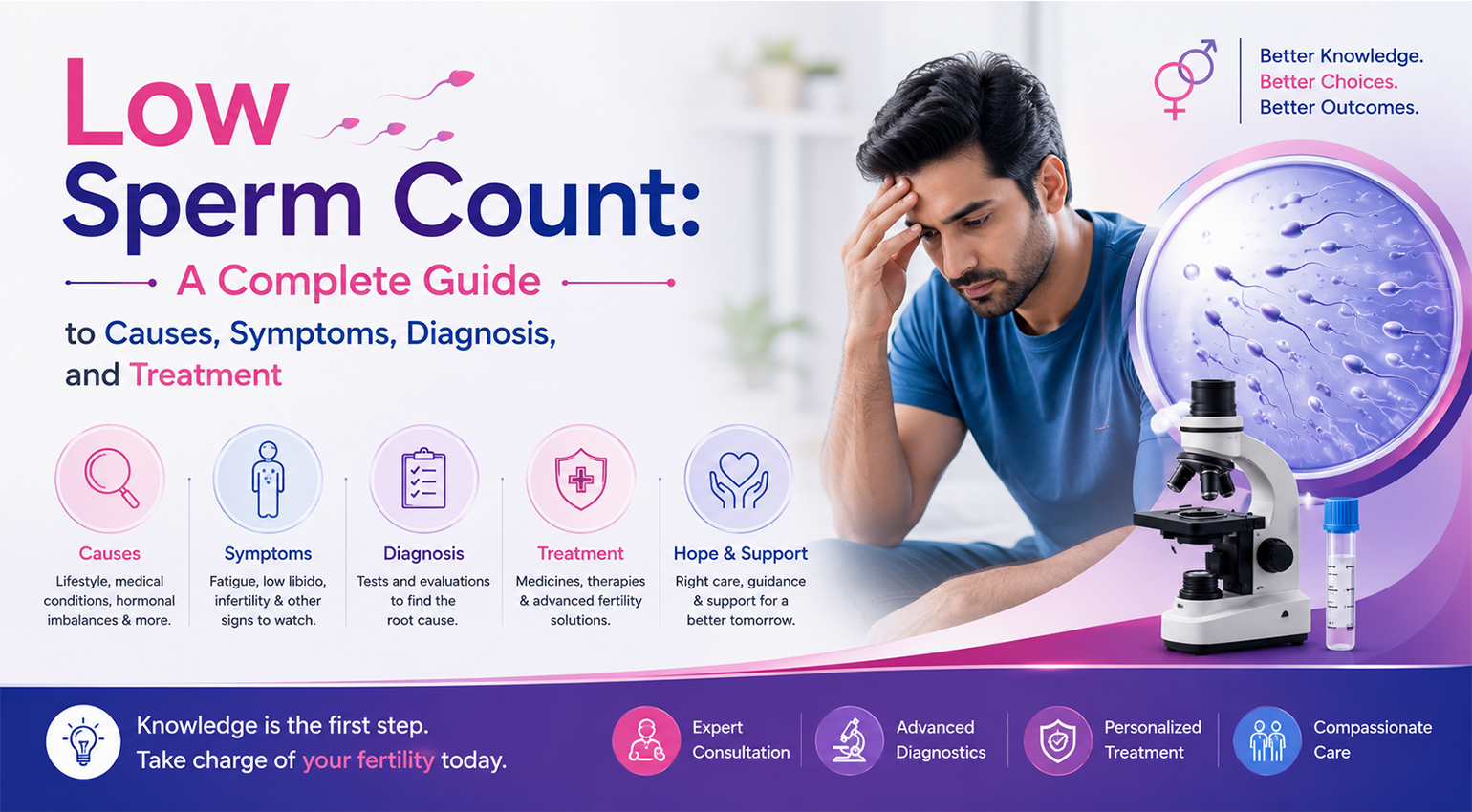 Low Sperm Count: A Complete Guide to Causes, Symptoms, Diagnosis, and Treatment
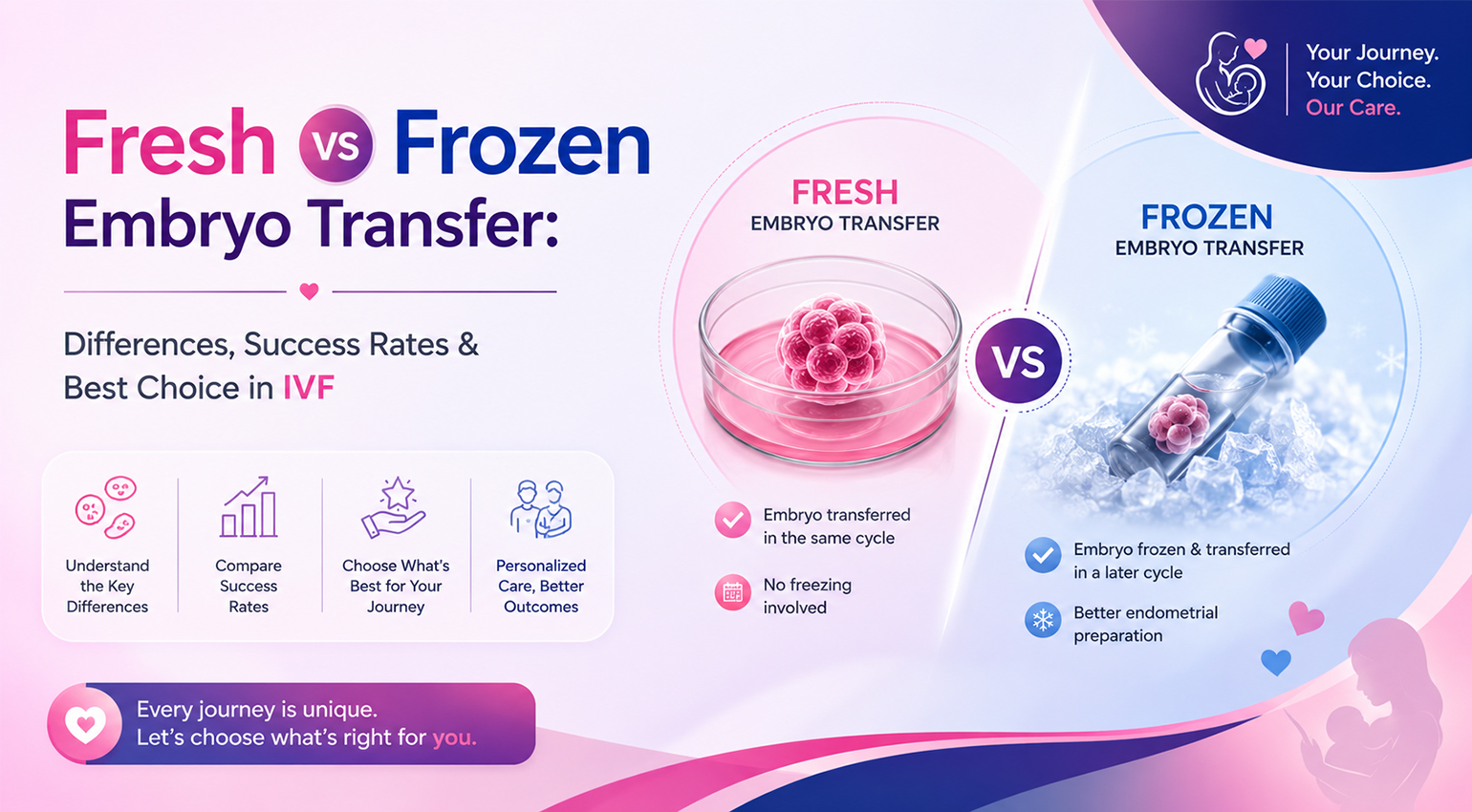 Fresh vs Frozen Embryo Transfer: Differences, Success Rates & Best Choice in IVF
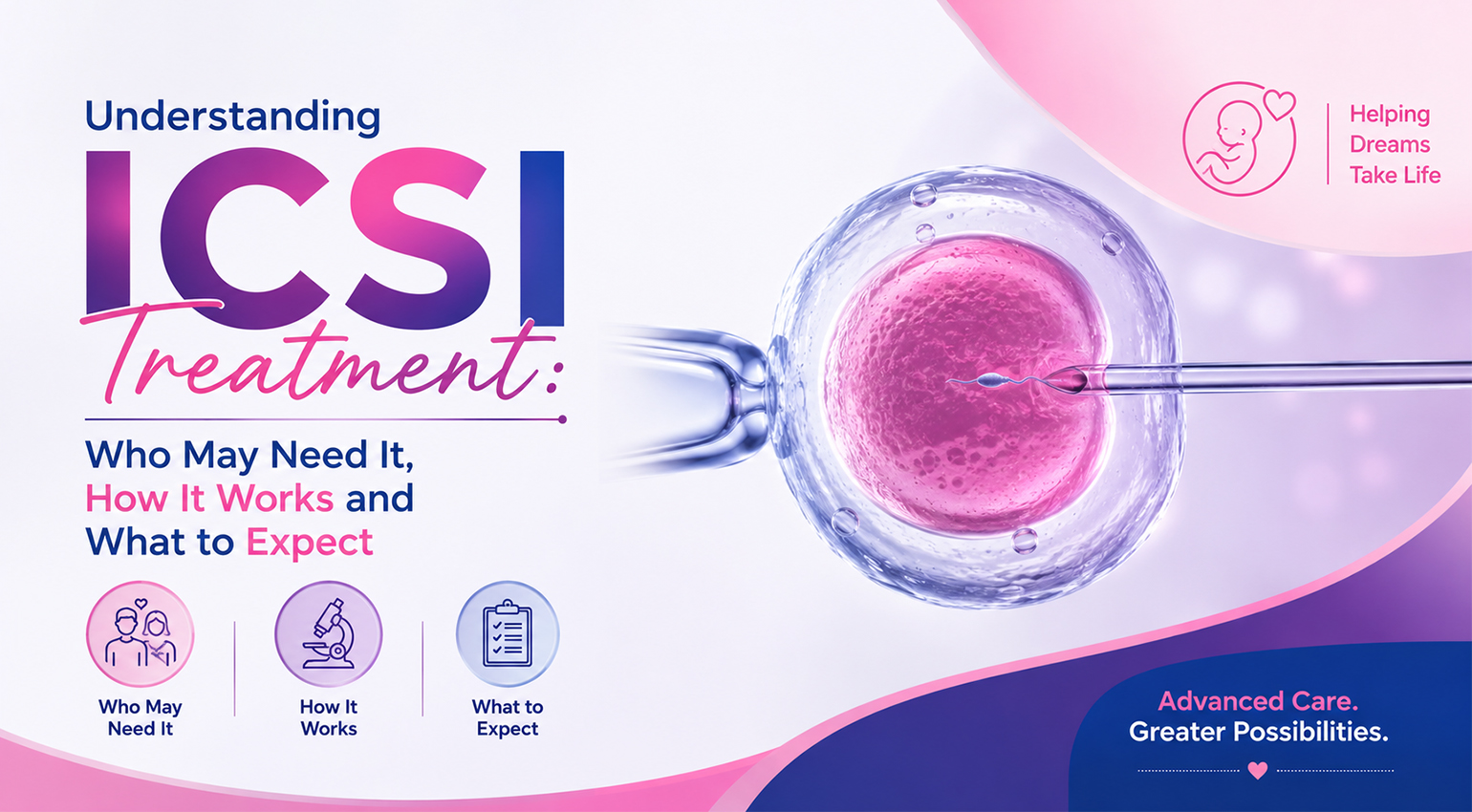 Understanding ICSI Treatment: Who May Need It, How It Works and What to Expect
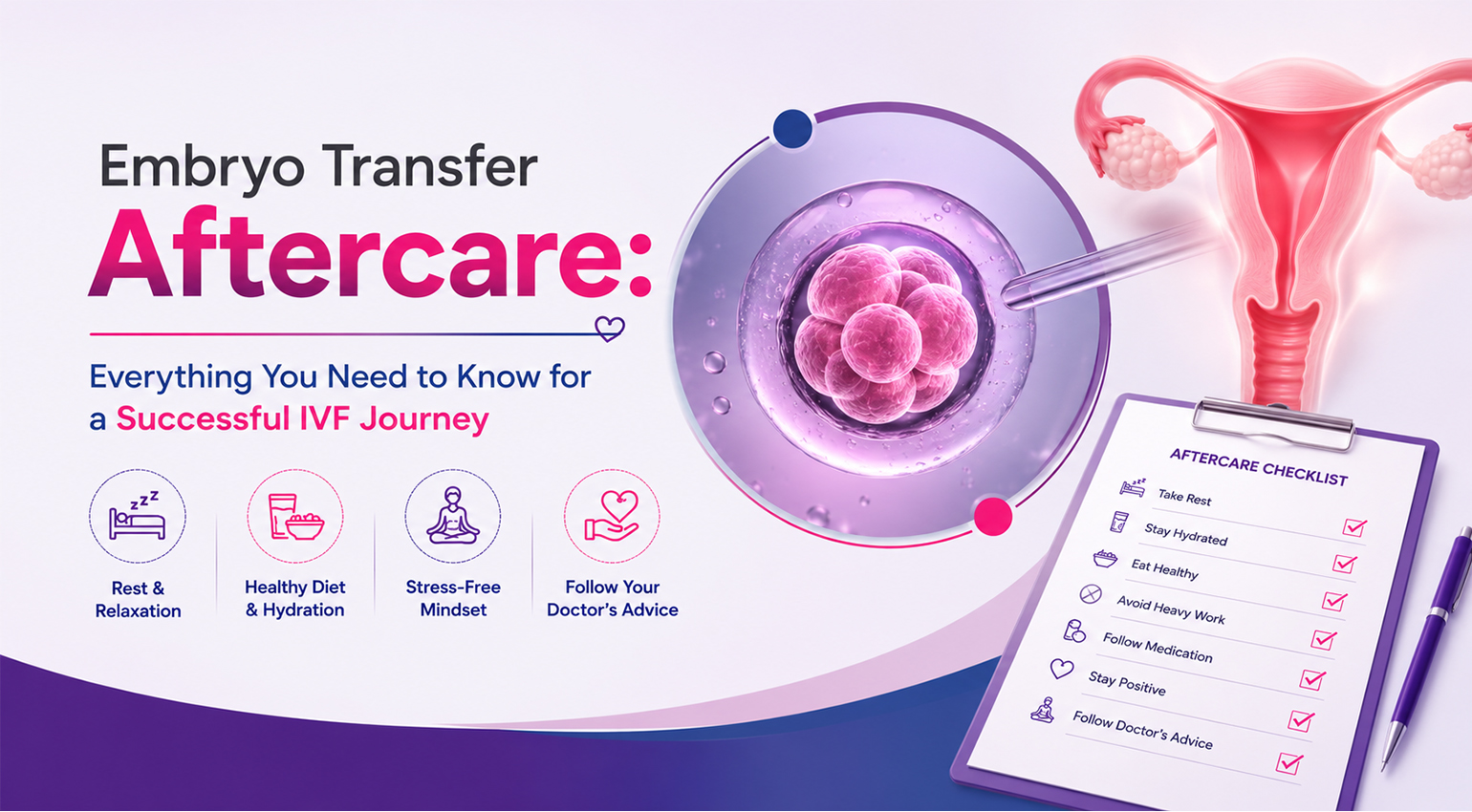 Embryo Transfer Aftercare: Everything You Need to Know for a Successful IVF Journey
 IVF After 35: What You Really Need to Know About Success Rates, Expectations and Treatment Options
 Natural Strategies to Enhance Egg Quality for IVF Success - Ferticore IVF Centre
 All You Need to Know About Preserving Female Fertility
 7 Signs That Your Embryo Transfer May Have Been Successful
 Understanding the Connection between Stress and Infertility
 Everything You Need to Know About Evaluation of Male Infertility
 A Comprehensive Overview of Follicular Monitoring Procedure and Success Rates at Ferticore IVF Centre
 10 Key Questions to Ask Your Fertility Specialist About IVF at Ferticore IVF Center
 Unveiling the Path to Success with ICSI Treatment in Indirapuram - Ferticore IVF Centre
 Everything You Need To Know about Laparoscopy Surgery at Ferticore IVF Centre
 Things You Must Know About Intrauterine Insemination (IUI) Treatment- Ferticore IVF centre
 Understanding Fertility: Common Causes and Treatments
 Personalized Care in IVF: Tailoring Treatments for Individual Needs
 Understanding Endometriosis and its Impact on Fertility
 Navigating the IVF Journey: A Step-by-Step Guide
 10 Best Foods That Can Enhance IVF Success and Boost Fertility Naturally
Copyright © 2026 . Designed By Wafi Media Marketing Solutions Pvt. Ld.