
If you're just starting to look into IVF, the number of new terms can feel overwhelming. Ovarian stimulation is usually one of the first steps you'll hear about, and it's worth understanding properly before treatment begins — not just what happens, but why.
In a normal monthly cycle, the ovaries usually mature and release a single egg. IVF works differently. Fertility medicines are used over several days to encourage more than one follicle to develop at the same time, so that more than one egg can potentially be collected during retrieval.
That doesn't mean the goal is simply “more eggs at any cost.” A good stimulation protocol is built around the individual patient — her age, hormone levels, ovarian reserve, and how her body has responded to treatment before, if this isn't her first cycle. For couples in Indirapuram, Ghaziabad, and nearby parts of the NCR exploring IVF for the first time, this individualised planning is usually the part that gets glossed over in general online explainers, so we've tried to lay it out clearly here.
Ovarian stimulation is the use of hormonal medication to encourage the ovaries to develop multiple follicles within a single menstrual cycle. Each follicle is a small fluid-filled sac that may contain a maturing egg.
During this phase, a fertility specialist prescribes injectable medicines for roughly a week to ten days. Throughout that period, the ovaries are checked regularly — mainly through ultrasound, and sometimes blood tests — to see how the follicles are growing and whether the medication dose needs adjusting.
Once the follicles reach the right size, a “trigger” injection is given to complete the final maturation of the eggs, and retrieval is scheduled shortly after. In short: stimulation is what gives the embryology team more than one chance at fertilisation and embryo development, rather than relying on a single naturally released egg.
A fair question — if the body already releases an egg each month, why go through injections and monitoring at all?
The honest answer is that IVF has several steps that don't always succeed. Not every retrieved egg fertilises. Not every fertilised egg becomes an embryo suitable for transfer. Having only one egg to work with leaves very little room if any single step doesn't go as expected.
With multiple eggs collected in one cycle, a fertility team generally has:
• More eggs available for fertilisation
• A better chance that at least one develops into a transferable embryo
• More embryos to choose from, if more than one develops normally
• The possibility of freezing additional suitable embryos for later use
• In some cases, more than one transfer opportunity from a single stimulation cycle
It's worth being upfront here: the number of eggs retrieved varies a great deal from person to person, and a higher egg count does not by itself mean a higher chance of pregnancy. Egg quality, embryo development, and uterine factors all matter just as much.
Stimulation isn't a single injection — it's a monitored process with distinct stages.
1. Initial Fertility Assessment
Before any medication is prescribed, your fertility specialist will review your reproductive health in detail. This typically covers age, AMH levels, antral follicle count (AFC), general hormone profile, medical history, and any previous fertility treatment.
This assessment is what determines the stimulation protocol — there's genuinely no one-size-fits-all plan. Two women of the same age can respond completely differently to the same medication, which is why this step matters more than people often expect.
2. Starting the Medication
Once a protocol is decided, fertility medicines — commonly involving FSH, sometimes alongside other hormones depending on the plan — are started to stimulate follicle development.
Most stimulation cycles run for around 8 to 12 days, though this isn't fixed. Your doctor will adjust the exact duration based on how your ovaries are responding.
3. Monitoring Follicle Growth
This is arguably the most important part of the whole process, even though it gets the least attention in casual conversations about IVF. Regular ultrasound scans — and blood tests when needed — let the doctor track follicle growth and adjust medication if the response is either slower or stronger than expected.
Careful monitoring also plays a direct role in reducing risk, particularly the risk of ovarian hyperstimulation syndrome (OHSS), which we'll come back to below.
4. The Trigger Injection
Once follicles reach an appropriate size, a trigger medication is given to complete the final maturation of the eggs. Timing here is precise — egg retrieval is scheduled a set number of hours after the trigger, so instructions from your clinical team need to be followed exactly as given.
5. Egg Retrieval
Retrieval is done under ultrasound guidance, with sedation or anaesthesia so the procedure is comfortable. A thin needle is used to collect mature eggs from the follicles. The eggs are then sent to the embryology lab, where fertilisation is carried out using either standard IVF or ICSI, depending on what's been planned for your case.
The exact combination depends heavily on the individual, but stimulation protocols generally draw from these categories:
FSH (Follicle-Stimulating Hormone) — the core medication supporting follicle growth.
LH (Luteinising Hormone) — used in some protocols to support follicular development further.
GnRH agonists or antagonists — used to prevent the body from triggering ovulation too early, before retrieval is planned.
Trigger medication — given at the end of stimulation to finalise egg maturation.
None of these should ever be self-adjusted. Dosage and duration are decided by your fertility specialist based on how you're responding, and changing them without medical guidance can affect the outcome of the cycle.
Stimulation isn't unique to standard IVF. It's also used in:
• ICSI cycles
• Egg freezing
• Fertility preservation before medical treatments that could affect fertility (such as certain cancer therapies)
• Select other assisted reproduction protocols
For fertility preservation specifically, controlled stimulation is a well-established way to obtain mature eggs or embryos for cryopreservation when it's medically appropriate — this is worth discussing directly with your specialist if preserving fertility is your primary reason for considering treatment right now, rather than an immediate pregnancy attempt.
Because the ovaries are being actively stimulated, some temporary symptoms are common. Not everyone experiences them, and the intensity varies quite a bit from person to person.
• Mild bloating or abdominal fullness
• Breast tenderness
• Mood changes
• Fatigue
• Mild pelvic discomfort
• Soreness or redness at injection sites
These are usually manageable and settle down after the stimulation phase ends. That said, if anything feels unusual or more intense than expected, it's always better to call your fertility team rather than wait it out.
Ovarian stimulation is a routine part of IVF, but it's still a medical treatment with its own risks, and it's worth understanding them rather than skipping past this part.
Ovarian Hyperstimulation Syndrome (OHSS) happens when the ovaries respond more strongly to the medication than intended. Symptoms can include noticeable abdominal bloating, pain, nausea, rapid weight gain, and — in more serious cases — shortness of breath.
Certain patients carry a higher risk, including those with PCOS-related ovarian characteristics or those expected to produce a large number of eggs. Current clinical guidance focuses heavily on identifying these patients early and adjusting the protocol to reduce risk, which is part of why the initial assessment matters so much.
Low or excessive response is the other main variable. Some women produce fewer follicles than anticipated, others more. Neither is unusual on its own, but both are reasons why ongoing monitoring — not just the medication itself — is central to safe stimulation.
If you notice severe or unusual symptoms at any point during treatment, contact your fertility specialist promptly rather than waiting for your next scheduled appointment.
A few things commonly affect how someone responds to stimulation:
• Age
• Ovarian reserve and AMH level
• Antral follicle count
• General hormonal profile
• Body weight
• Smoking
• Previous IVF cycles and how you responded to them
• Certain underlying reproductive conditions
This is part of why two patients on paper — similar age, similar diagnosis — can still need noticeably different protocols.
Following your clinical team's instructions closely during this phase genuinely makes a difference:
• Take medicines exactly as prescribed, at the times advised
• Don't adjust your own dosage
• Attend every monitoring appointment, even if you feel fine
• Stay hydrated and eat reasonably well
• Avoid alcohol and smoking during treatment
• Skip strenuous exercise if your doctor has advised against it
• Report anything unusual promptly rather than waiting
• Keep your medication schedule organised — a simple daily checklist helps more than people expect
It's also fair to say this stage isn't just physical. The injections, appointments, and waiting can be emotionally tiring too. Staying in open communication with your fertility team — asking questions even if they feel basic — tends to make the process easier to sit with.
These are genuinely different approaches, and patients sometimes ask about natural cycle IVF after reading about it online.
Ovarian stimulation uses fertility medication to encourage multiple follicles, generally aims for several eggs, and involves regular monitoring throughout. It can offer more embryo options, including the possibility of freezing extra embryos.
Natural cycle IVF works with the one follicle the body develops on its own that month, involves little or no stimulation medication, and typically results in fewer eggs and more limited embryo options.
Which approach fits depends entirely on individual fertility factors — conventional stimulated IVF remains the standard approach specifically because it's designed to give multiple eggs a chance at fertilisation, but your specialist can walk you through whether that's the right fit for your situation.
If you're based in Indirapuram, Abhay Khand, or elsewhere in Ghaziabad and considering IVF, the practical side of stimulation matters as much as the medical side. This phase involves frequent visits — ultrasound monitoring every few days isn't unusual — so travel time genuinely affects how manageable the process feels, especially if you're managing work alongside treatment.
Many couples from Ghaziabad prefer a fertility clinic in Ghaziabad closer to home for exactly this reason — fewer long commutes during a phase that already involves a fair number of appointments. It's also worth asking your clinic directly how monitoring is scheduled, whether early-morning slots are available, and how quickly you can reach someone if you notice symptoms between visits.
If you've been trying to conceive for a while and are starting to think seriously about IVF, a consultation is a reasonable first step — you don't need to have every process detail figured out beforehand. A fertility specialist will typically review your ovarian reserve, age, medical history, and any previous treatment before discussing what approach might suit you.
If you're weighing your options for IVF treatment in Ghaziabad, it may help to start with a straightforward fertility evaluation before deciding on a specific protocol — this gives your doctor the information needed to plan stimulation appropriately for your situation, rather than starting from a generic template.
For patients located in Indirapuram, Abhay Khand, or other parts of Ghaziabad, having fertility evaluation, stimulation monitoring, egg retrieval, and embryology services available at one centre can simplify a process that already has a lot of moving parts.
FertiCore IVF Centre is based in Abhay Khand, Indirapuram, Ghaziabad, and offers ovarian stimulation as part of its IVF and ICSI treatment protocols, along with fertility evaluation and follicular tracking during the monitoring phase. As with any fertility centre, the right fit depends on your specific diagnosis and what your specialist recommends after reviewing your case — it's worth having a direct conversation about your situation before deciding where to begin treatment.
Is ovarian stimulation painful?
The injections use fine needles and are generally manageable for most patients. Some women notice mild bloating, pelvic heaviness, or discomfort as the follicles develop, but severe pain isn't typical and should be reported to your doctor if it occurs.
How long does ovarian stimulation take?
Most stimulation cycles run around 8 to 12 days, though the exact length depends on how your ovaries respond and how quickly the follicles reach the right stage for retrieval.
How many eggs can be retrieved through stimulation?
There's no fixed number — it varies from person to person based on factors like age and ovarian reserve. The aim is an appropriate response for your individual profile, not the highest possible egg count.
Does ovarian stimulation guarantee pregnancy?
No. It's one stage of the IVF process and doesn't by itself guarantee fertilisation, embryo development, implantation, or pregnancy. Outcomes depend on multiple steps across the treatment cycle.
What are the common side effects?
Mild bloating, breast tenderness, fatigue, and injection-site discomfort are common and usually temporary. More serious complications like OHSS are less common but need prompt medical attention if they occur.
What happens right after stimulation ends?
Once follicles reach the appropriate stage, the trigger injection is given, followed by egg retrieval. The eggs are then sent to the lab for fertilisation and embryo development.
Ovarian stimulation is one of the more involved stages of an IVF cycle, mainly because it asks for patience — regular appointments, careful medication timing, and a fair amount of waiting to see how your body responds. Understanding what's actually happening at each step tends to make it feel less like an unfamiliar medical process and more like something you're actively part of.
Every patient's response to stimulation is different, which is exactly why it needs to be planned and monitored individually rather than following a fixed template. If you're exploring IVF treatment in Indirapuram or elsewhere in Ghaziabad, a conversation with a fertility specialist about your specific fertility profile is the most useful next step before anything else.
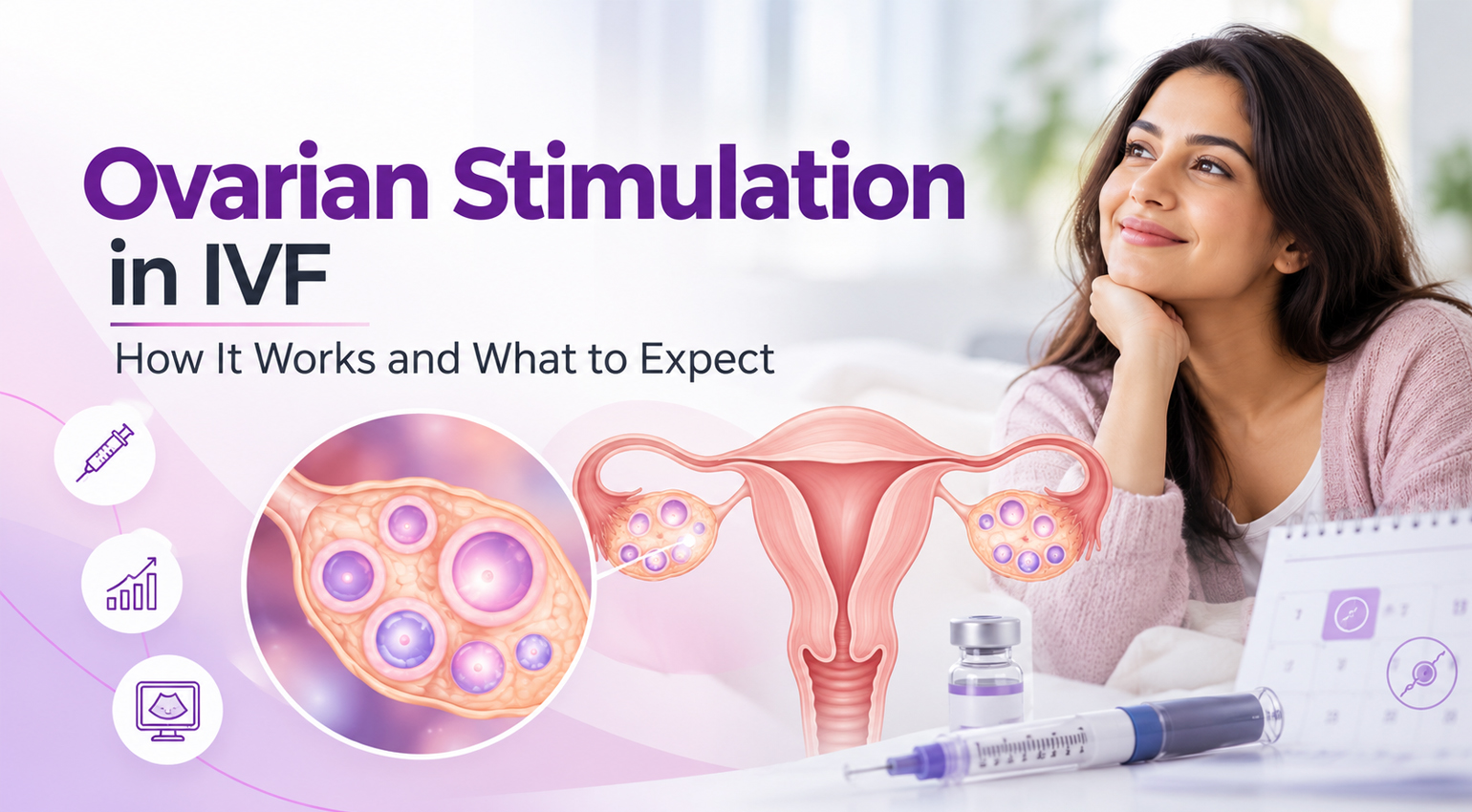 Ovarian Stimulation in IVF – How It Works and What to Expect
 Understanding Your Fertile Window - How to Identify Your Most Fertile Days in Ghaziabad
 IVF Specialist in Ghaziabad - How to Choose the Right Fertility Doctor
 IVF Success Rate in Ghaziabad - What Actually Influences Treatment Outcomes
 FertiCore Fertility & IVF Centre - Personalised Fertility Care in Indirapuram
 From Your First Consultation to IVF Treatment - What Your Fertility Journey at FertiCore May Look Like
 IVF Centre Near Me in Ghaziabad — What to Look For Before You Choose
 Best IVF Center in Vaishali, Indirapuram & Raj Nagar Extension, Ghaziabad – How to Choose the Right Fertility Clinic
 Low Sperm Count: A Complete Guide to Causes, Symptoms, Diagnosis, and Treatment
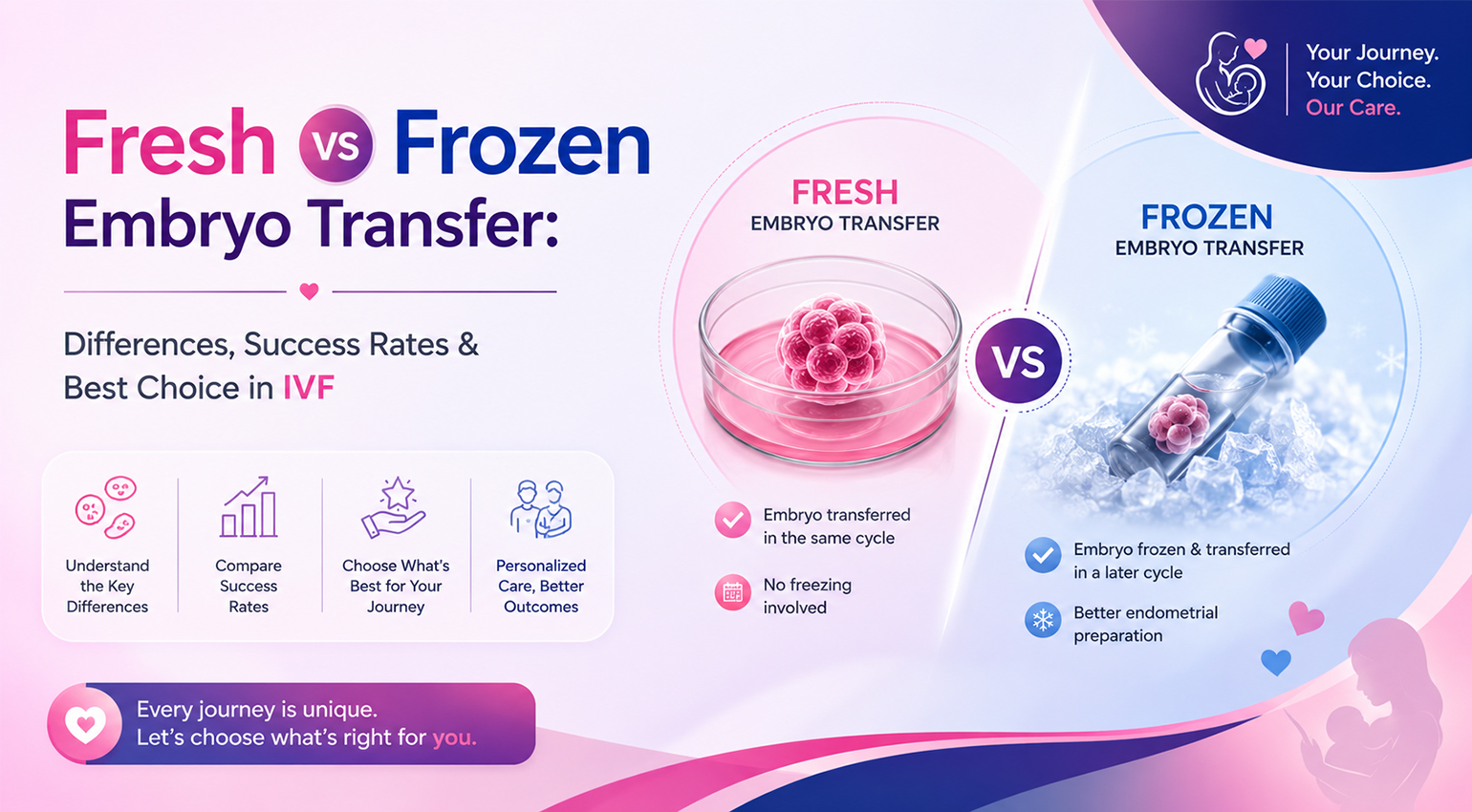 Fresh vs Frozen Embryo Transfer: Differences, Success Rates & Best Choice in IVF
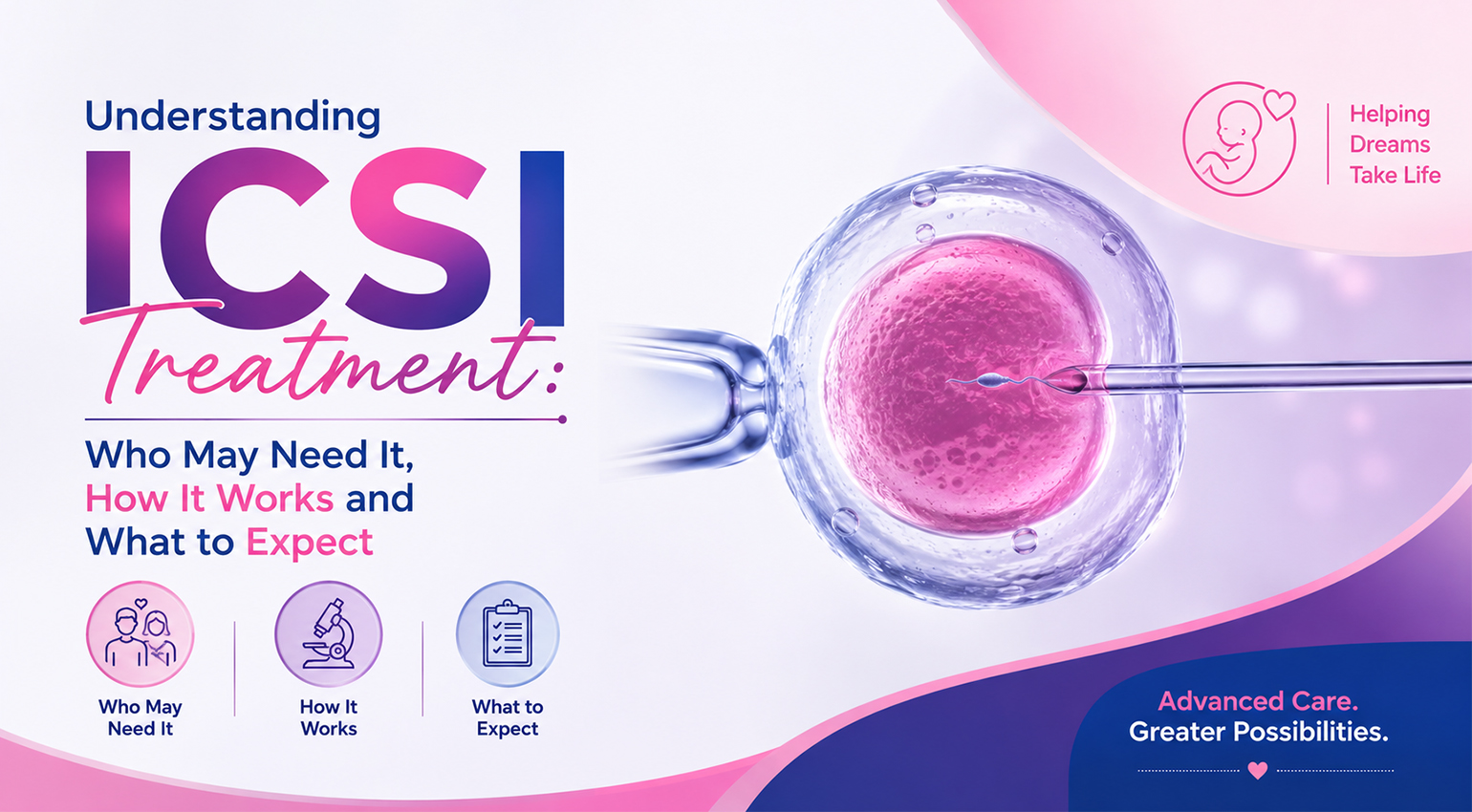 Understanding ICSI Treatment: Who May Need It, How It Works and What to Expect
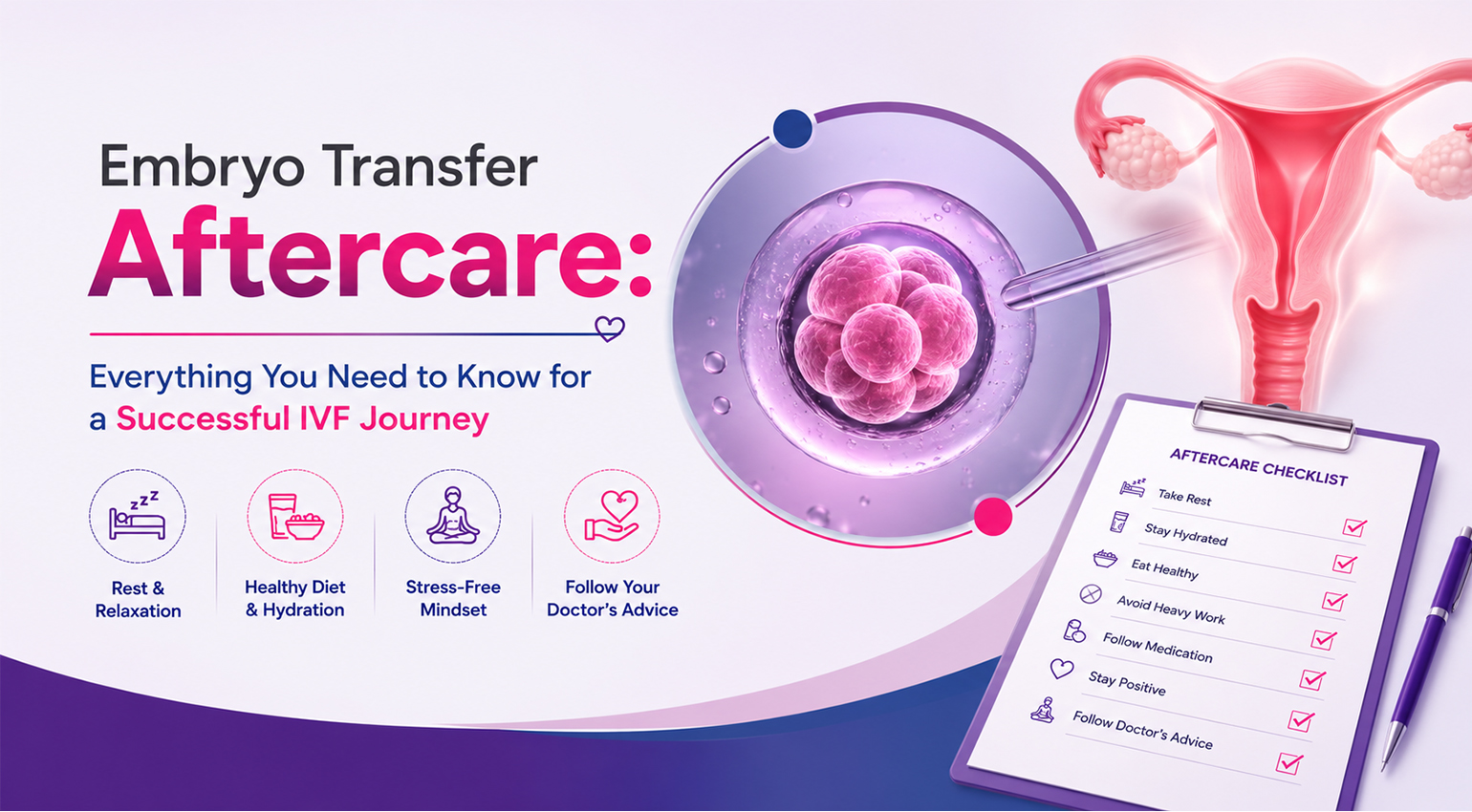 Embryo Transfer Aftercare: Everything You Need to Know for a Successful IVF Journey
 IVF After 35: What You Really Need to Know About Success Rates, Expectations and Treatment Options
 Natural Strategies to Enhance Egg Quality for IVF Success - Ferticore IVF Centre
 All You Need to Know About Preserving Female Fertility
 7 Signs That Your Embryo Transfer May Have Been Successful
 Understanding the Connection between Stress and Infertility
 Everything You Need to Know About Evaluation of Male Infertility
 A Comprehensive Overview of Follicular Monitoring Procedure and Success Rates at Ferticore IVF Centre
 10 Key Questions to Ask Your Fertility Specialist About IVF at Ferticore IVF Center
 Unveiling the Path to Success with ICSI Treatment in Indirapuram - Ferticore IVF Centre
 Everything You Need To Know about Laparoscopy Surgery at Ferticore IVF Centre
 Things You Must Know About Intrauterine Insemination (IUI) Treatment- Ferticore IVF centre
 Understanding Fertility: Common Causes and Treatments
 Personalized Care in IVF: Tailoring Treatments for Individual Needs
 Understanding Endometriosis and its Impact on Fertility
 Navigating the IVF Journey: A Step-by-Step Guide
 10 Best Foods That Can Enhance IVF Success and Boost Fertility Naturally
Copyright © 2026 . Designed By Wafi Media Marketing Solutions Pvt. Ld.